Editor's note: Josef Gregory Mahoney is a professor of politics and international relations and director of the Center for Ecological Civilization at East China Normal University in Shanghai, and a senior research fellow with the Institute for the Development of Socialism with Chinese Characteristics at Southeast University in Nanjing. The article reflects the author's opinions and not necessarily the views of CGTN.
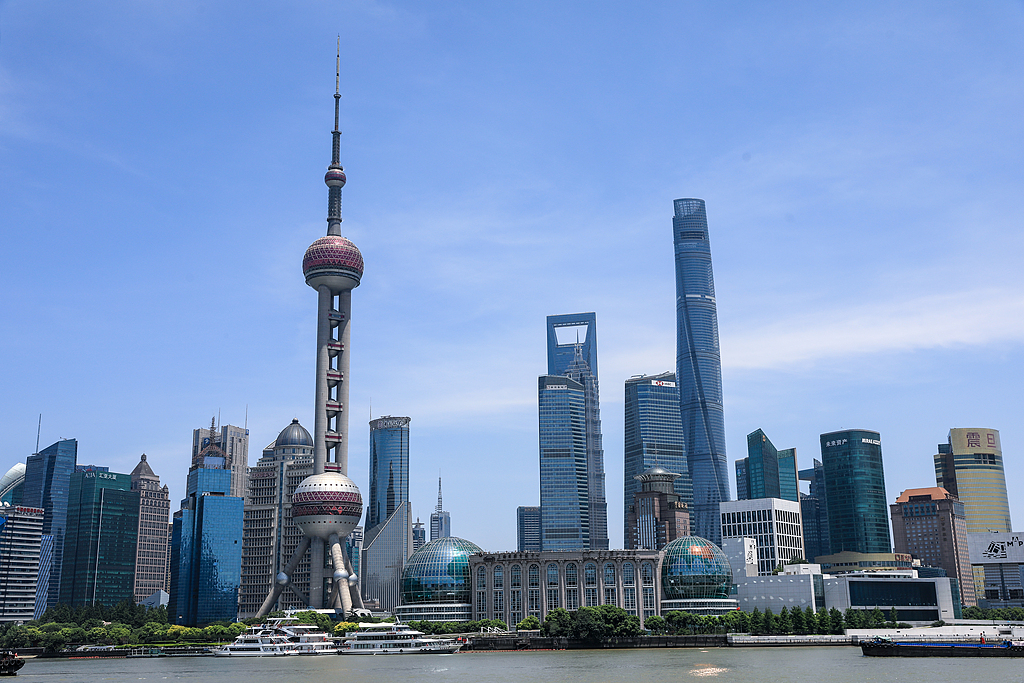
When most people first think of Shanghai, they generally picture the iconic Oriental Pearl Tower, seen from the Puxi side of the Huangpu River, nestled among the immense skyscrapers demarcating the Lujiazui financial district. Tourists know this scene well, many having walked from the famous shopping street of East Nanjing Road down to the even more famous Bund, known the world over for its eclectic mix of international architectural marvels, including buildings of the Neo-Classical, Art Deco and Beaux-Arts styles, as well as those associated with the Romanesque, Gothic, Renaissance, and Baroque revivals.
For many, the blending of the old, early modern, and state-of-the-art is experienced nearby and at the midpoint of the famous Nine-Turn Bridge, a central feature of the Yu Garden. Built during the Ming Dynasty (1368-1644) and widely considered one of the best and most representative of the classical Chinese gardens, one can't avoid seeing Shanghai Tower looming in the background, the mega-tall lord of Lujiazui, the tallest building in China, reaching 632 meters.
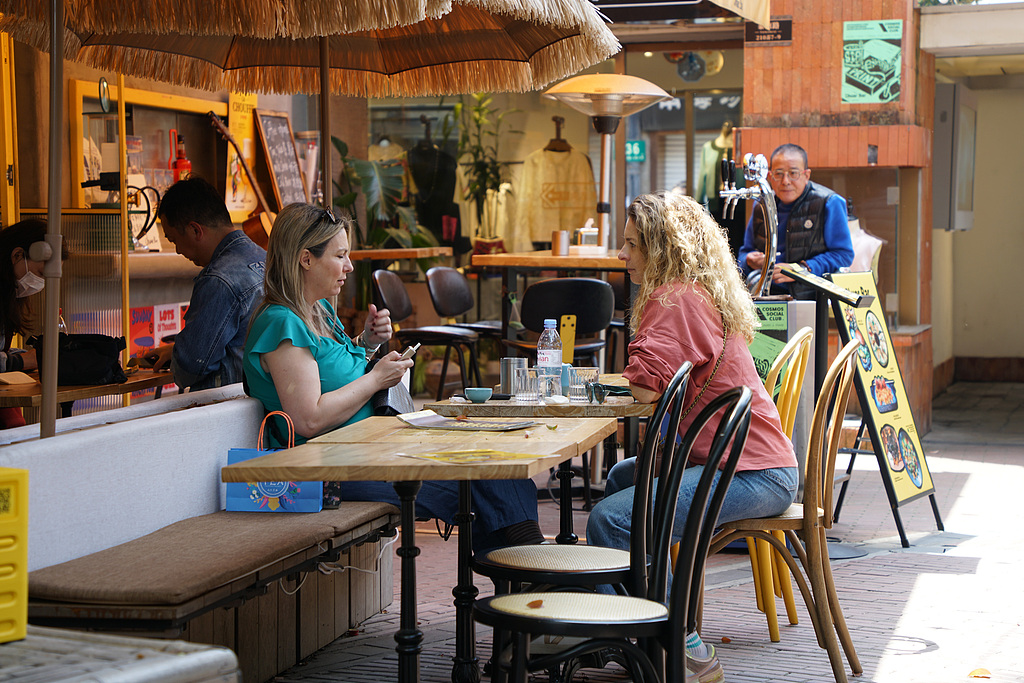
Visitors with more time on their hands may visit the high-end boutiques, specialized museums, and historical stone gates, the Shikumen, that feature prominently in Xintiandi. They'll sample the café culture of the Former French Concession, perhaps reaching the cluster of shops selling qipao and other silk fineries around Maoming Road. Some will walk, others will ride, including the world's biggest and arguably best subway system. Some will become devotees of Shanghai's famous xiao long bao, "soup dumplings," and xian rou yuebing, "meat mooncakes." Others might be surprised to learn that whatever taste they crave can be delivered to them in an hour or less. My son, tasked with making carbonara recently for Italian classmates, found a local butcher with fresh guanciale, while a grocer sent rigatoni and pecorino romano to complete the dish.
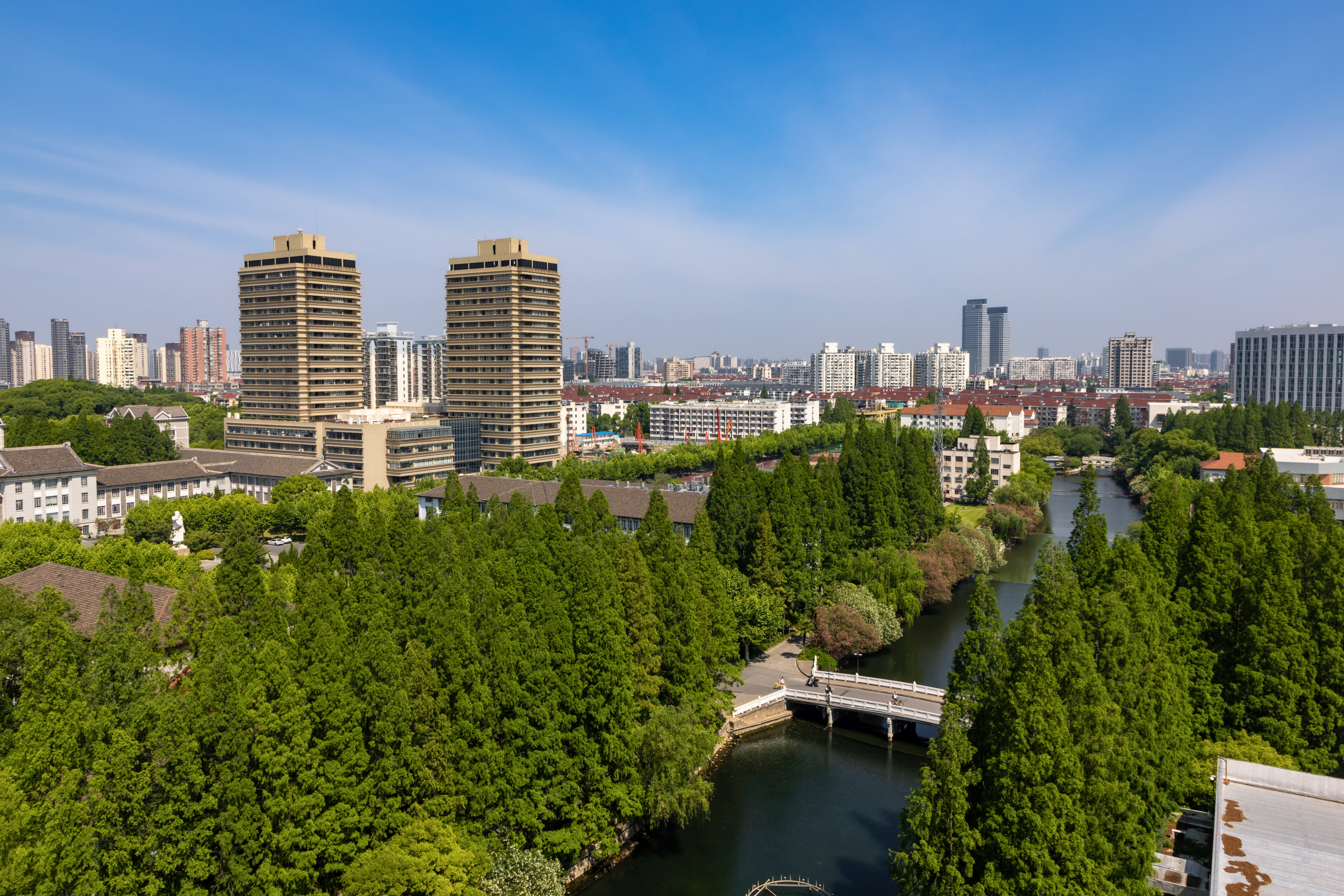
For reasons like these, Shanghai is recognized as one of the true megacities of the world, where I, my children, and nearly 25 million others call home. Having lived in Shanghai longer than anywhere else, I proudly embrace the city's exceptional characteristics, while acknowledging that the local experience, including my own, tends towards the subtler nuances of daily life. These include walks through green spaces like Zhongshan Park, reached in a 10-minute stroll along Suzhou Creek, past the picnickers and Taiji practitioners, or crossing the university where I work, itself famous as one China's great "garden campuses," to reach Changfeng Park, on the other side, to hear the pensioners playing pipa in the park's pavilions alongside Yinchu Lake.
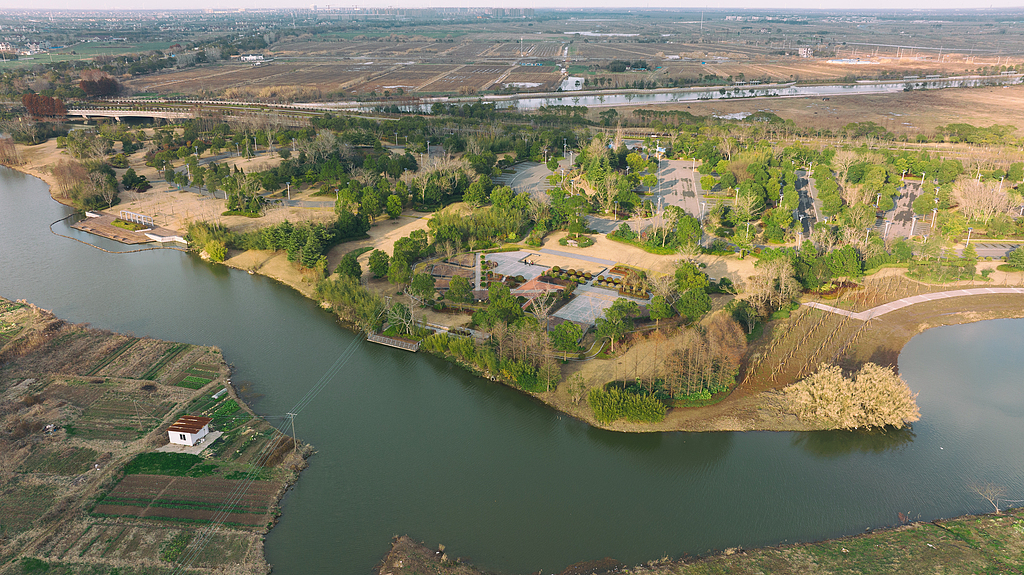
While Shanghai residents readily recognize the ecological improvements and better life they now enjoy, whether walking the new green paths lining Suzhou Creek, where waterfowl dive for fish, with air quality approaching European standards, there's still a lot that goes unnoticed. Take Chongming Island, for example. For many, it's literally a bridge too far, one of the city's most outlying districts. Still, it's also an important barrier island, protecting the city from the sea in a period of increasing volatility due to extreme weather associated with global climate change, and a key element of the region's broader ecological health and green development.
With 1,267 square kilometers, few realize it's the largest alluvial island in the world, formed by more than a thousand years of sediment deposited by the Yangtze River. This has left its soil rich and fertile, home to forests, fields, and 32,600 hectares of protected wetlands — the Dong Tan Nature Reserve — a vital north-south stopover for migratory birds essential for the environmental well-being of East Asia. At the same time, given its thriving rice cultivation, Chongming is sometimes called "Shanghai's rice bowl." Still, it's also home to substantial fish breeding, not only contributing to food security, but doing so by blending traditional and modern practices to maximize sustainability.
Food is just one of the concerns of our fellow urban residents. When we first moved to Shanghai in 2010, we did so in part to escape Beijing's air pollution. Nevertheless, Shanghai's environment was also in trouble. While Suzhou Creek was no longer an open sewer, given the success of the Suzhou Creek Rehabilitation Project, the river was still struggling to recover a healthy ecosystem.
On the one hand, this pivot was understood in part as a response to the "principal contradiction" of the new era — "the people's ever-growing material and cultural needs and backward social production." Or, as described by Xinhua, while China's economy had grown significantly, its development was still unbalanced and inadequate when it came to meeting the people's increasing demands for a better life. These included rural-urban and regional inequalities, a wide gap between the rich and poor, and various structural imbalances in the economy, but it also included growing public awareness and demands for a cleaner environment.
Consequently, between 2013 and 2015, the government implemented reforms that fundamentally transformed China's ecological landscape. These included declaring "war on pollution" and implementing a lifetime accountability system, meaning officials responsible for natural resources would be held responsible and punished for pollution occurring on their watch, even long after they'd left office.
On the other hand, while the government responded directly to the people's democratic demands for a better life, the president and other leading officials understood the call to action compelled by global climate change, including the need to pursue carbon neutrality and restore ecological well-being, and the necessity of advancing new forms of green innovation and development, at home and abroad. Thus, China was well-positioned politically to be one of the original signatories of the Paris Agreement in 2016.
In 2019, as Tesla opened a gigafactory in Shanghai, Chinese EV development started its global ascent, while renewable energy produced by solar and wind solutions started surging. That same year, Shanghai learned to live with groundbreaking garbage sorting and recycling regulations, quickly becoming the national leader in waste management and recycling, including wet waste renewables, initiating this year the world's largest bioenergy center. With an estimated 98 percent of Shanghai's population now complying voluntarily with these policies, the present aim is a 45 percent household waste recycling rate, already far ahead of Tokyo's 20 percent, still outpacing Beijing's 35 percent, and chasing Seoul's 60 percent. That said, Shanghai faces growing domestic competition for China's waste management crown: Chongqing, China's most populous city, along with Shenzhen, Sanya, and others, are presently piloting zero-waste initiatives with the goal of becoming waste-free by 2035.
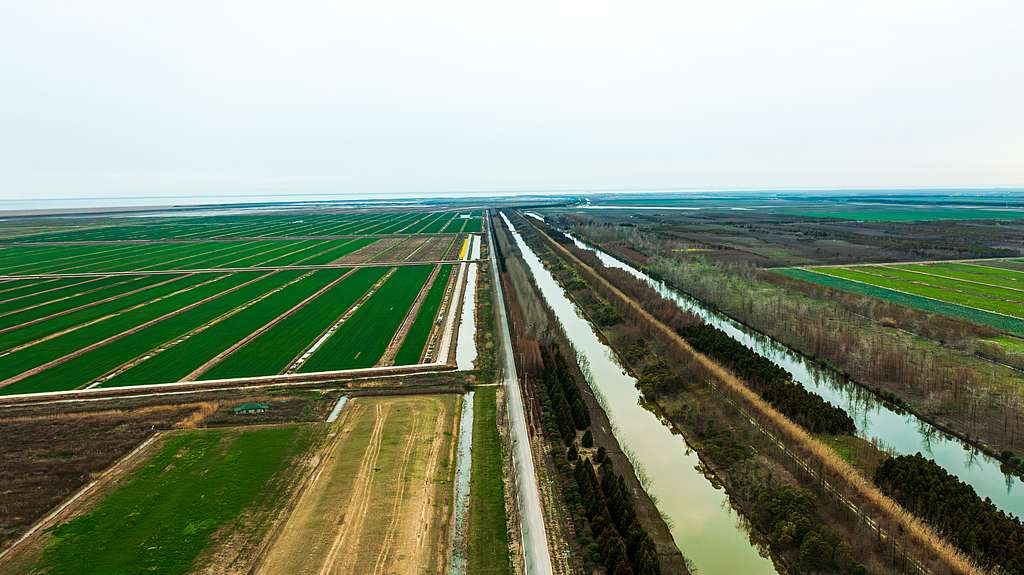
On the same trajectory with various green initiatives in China, Chongming is on track to become a world class eco-island, driven by national and local directives and supported by various stakeholders, including the Shanghai Environmental Protection Bureau as well as experts like my ECNU colleagues, who first established the leading research center on the island a decade ago, the Institute of Eco-Chongming, which provides authoritative scientific and technological support for ecological protection and green development.
This includes advising enterprises to ensure they're green, to partnering with green industry leaders to bring more green innovation to the island. In fact, Chongming farmers have embraced new technologies like the internet of things and cloud computing to improve efficiency and product quality. Already, an order-based production system is linking their income with industry growth, further supported by efforts to create local brands and direct sales channels to urban residents via digital platforms.
Local living standards have already improved considerably. Many Chongming farmers have already moved to modern housing, with amenities like gyms, childcare, and healthcare facilities. Meanwhile, they've reduced harmful chemicals and helped ensure the island's surface water quality is 100 percent compliant. These are our Shanghai brothers and sisters, their land and wellbeing so vital to our own and vice versa, though you might never give them a thought, while sipping your coffee or dipping your doughnut in a trendy café in Xujiahui.
Source:CGTN