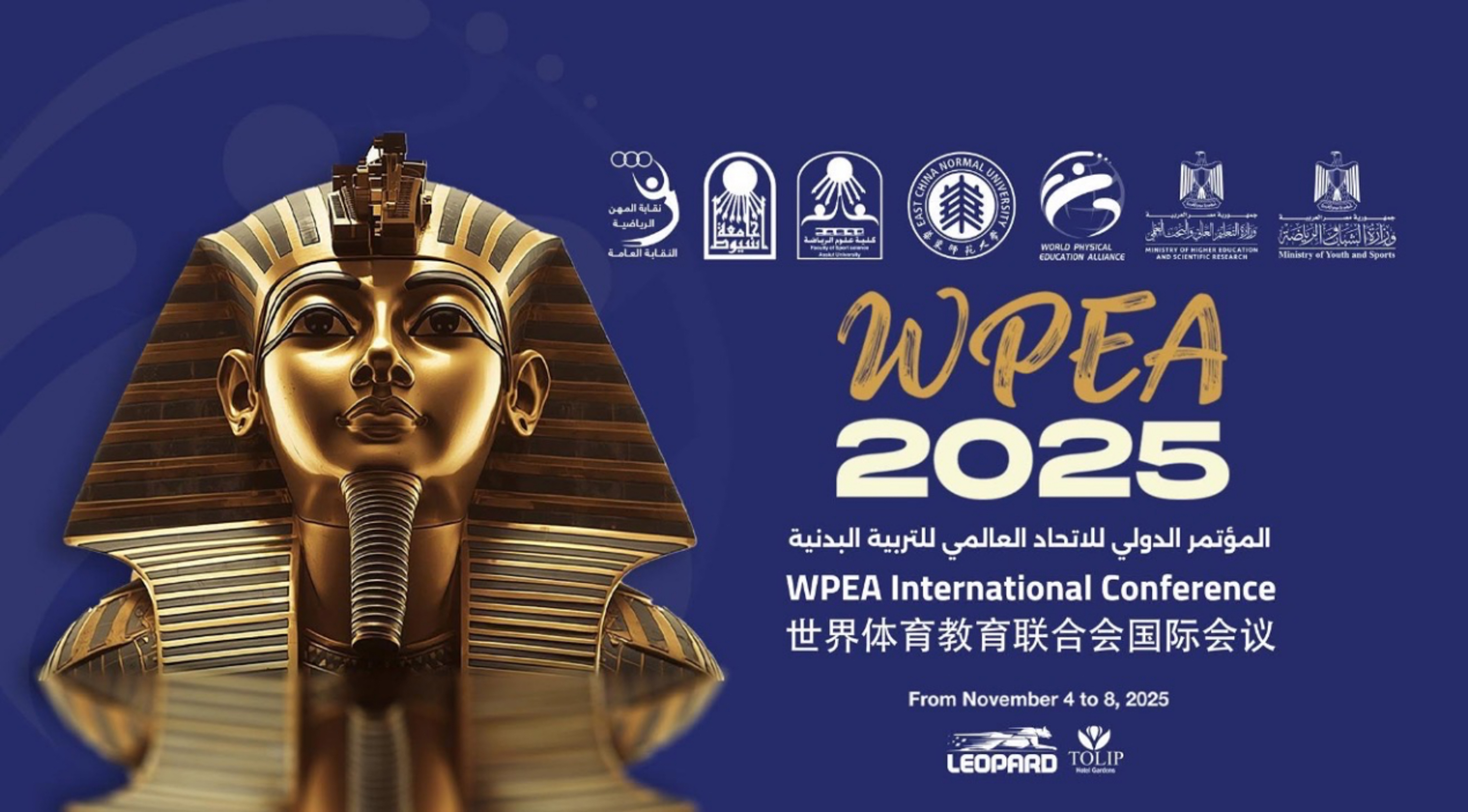
On 5 November 2025, the World Physical Education Alliance (WPEA) Conference 2025, themed “Bridging Cultures, Building Futures,” had its grand opening in Cairo, Egypt. The conference was hosted by East China Normal University and co-organized by Assiut University and the General Syndicate of Sports Professions. Gathering more than 500 experts and scholars from nearly 20 countries and regions along the banks of the Nile, the event brought the global community together to discuss the future of physical education.
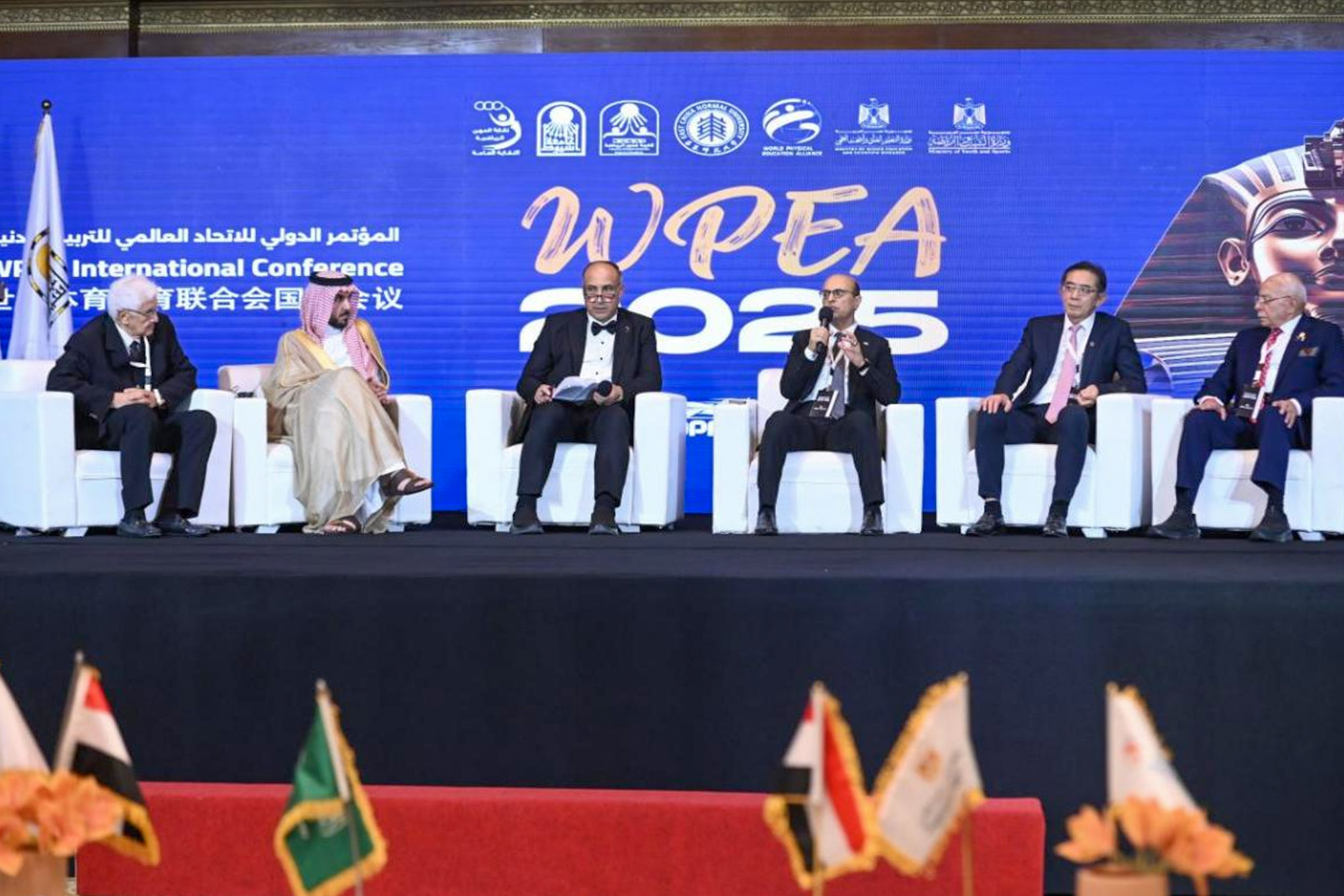
Grand Opening Ceremony: Together, We Launch a New Chapter in Global Physical Education
With the national anthems of China and Egypt, the conference officially opened. In attendance were Professor Liu Ji, Founding President of the World Physical Education Alliance; Professor Xiaozan Wang, Founding Secretary-General of the Alliance; and Mr. Yong Wei, Special Representative of the host institution, East China Normal University. Distinguished guests included Professor Ashraf Sobhi, Minister of Youth and Sports of Egypt; Professor Fathi Nada, Head of the General Syndicate of Sports Professions; Professor Adel Haider, Vice President of Assiut University; and Dr. Fahd bin Nayef Al-Faqeer, Representative of the Kingdom of Saudi Arabia and President of the Arab Disabled Sports Foundation, attending as a representative of an Alliance member institution, among other international guests.
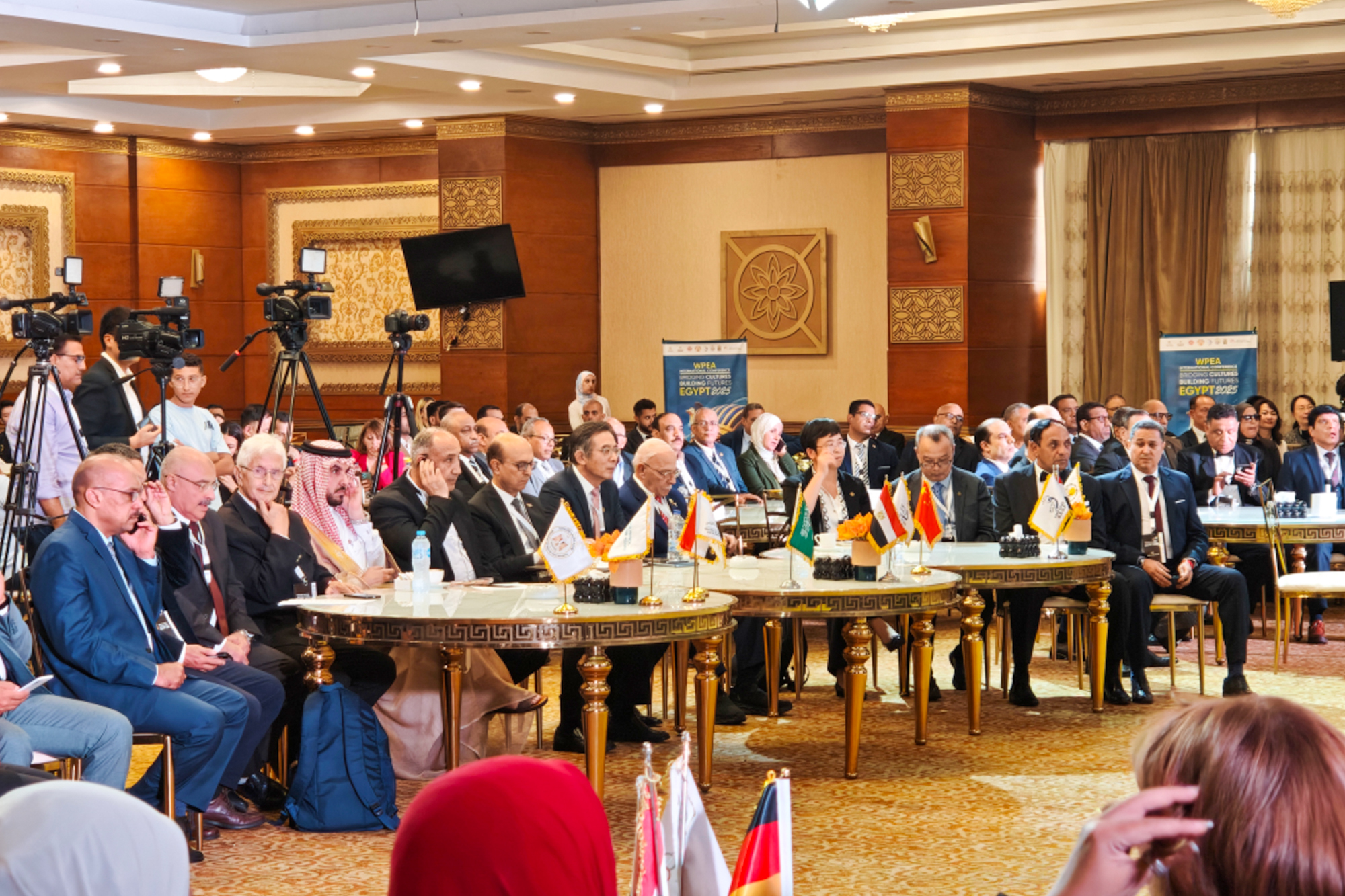
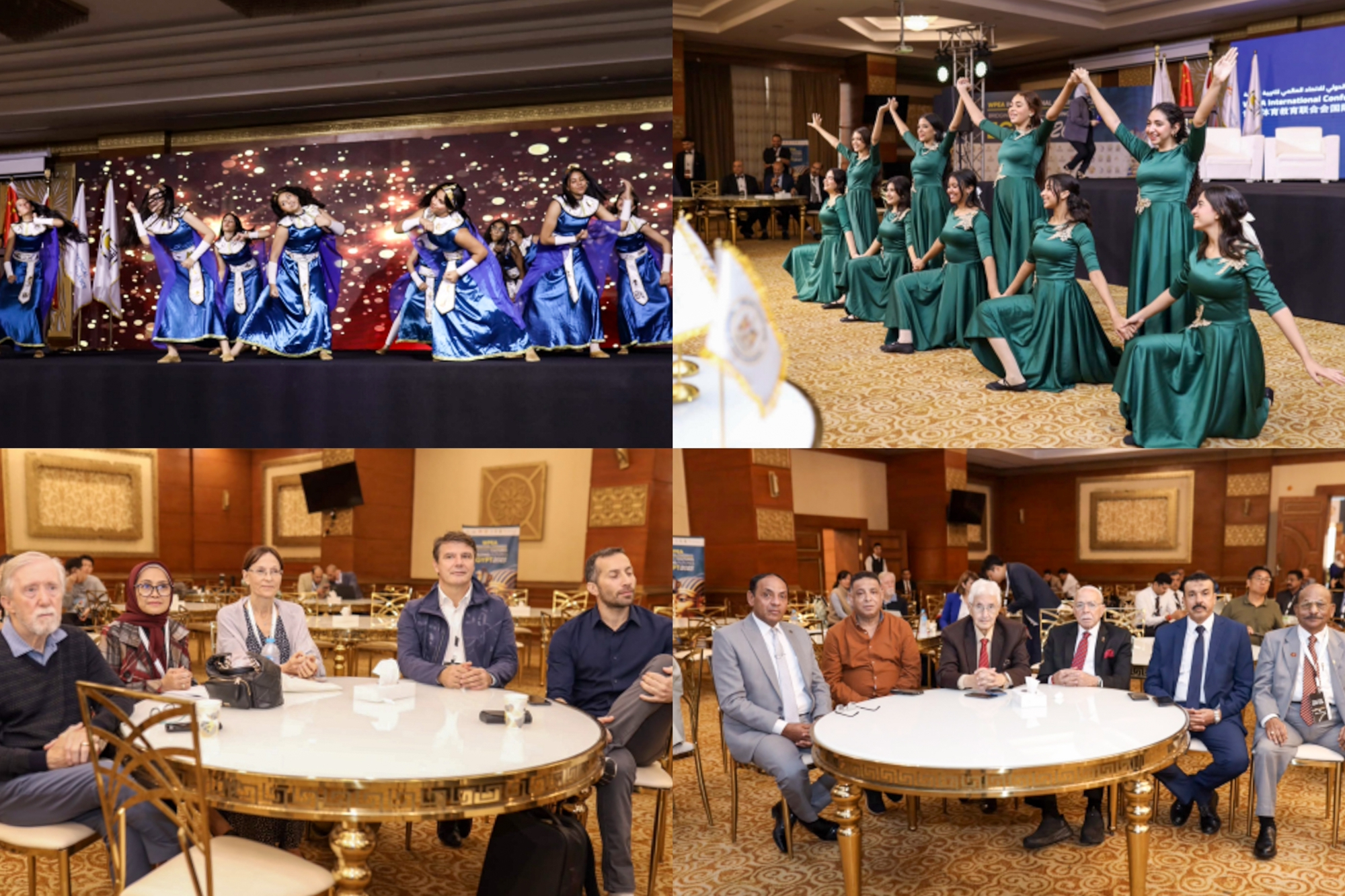

In his opening remarks, Professor Dai Liyi, Vice President of East China Normal University, stated that physical education is not only a vital cornerstone for enhancing students’ physical and mental well-being, but also a shared human language that bridges cultures and connects the world. He reviewed the Alliance’s development since its establishment in 2023, noting its transition from a “China Initiative (Keep Daily Life)” toward “global sharing.” He emphasized that ECNU will take this conference as an opportunity to strengthen cooperation with countries worldwide in the field of physical education and, through the power of physical education, work together to build a community with a shared future for humankind.

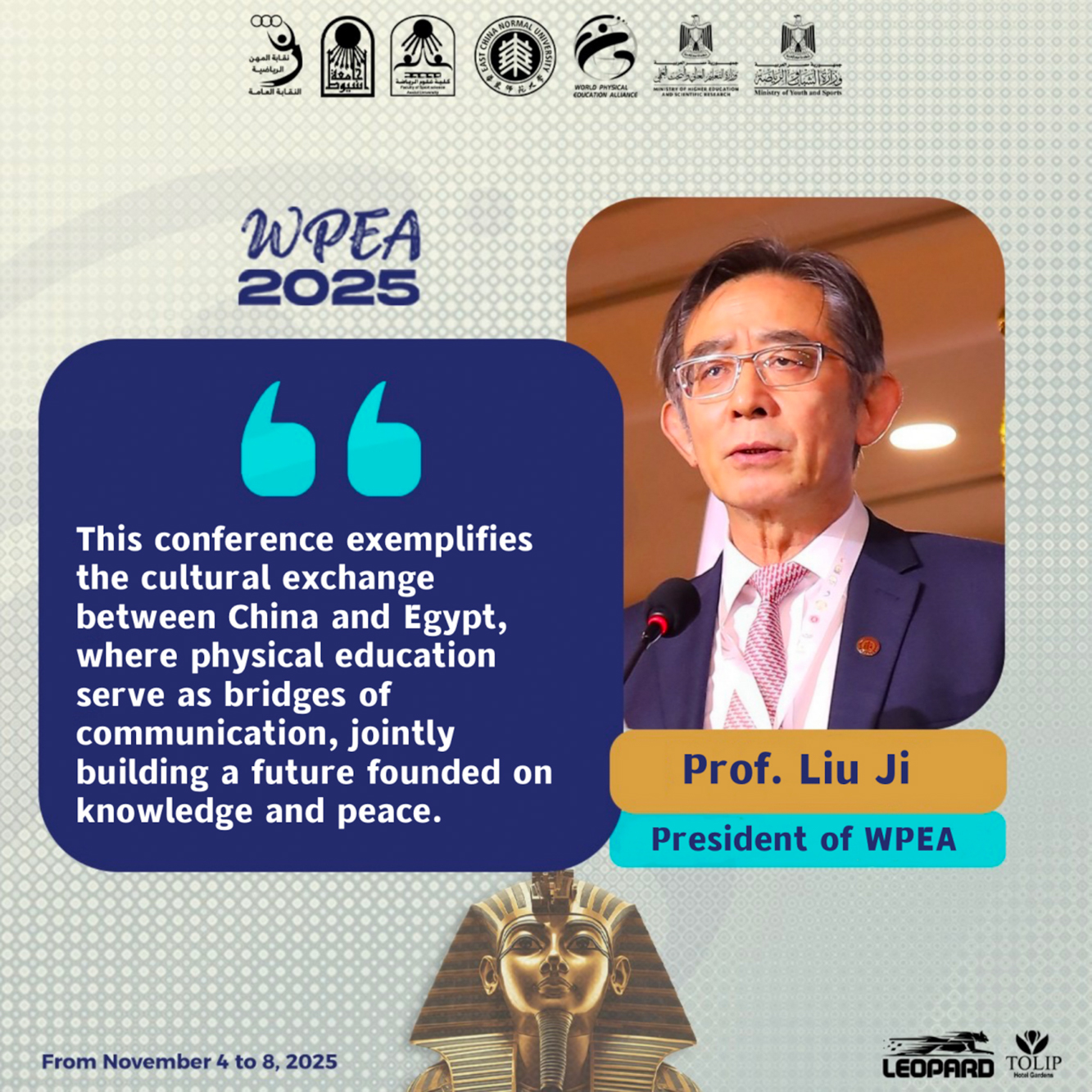
Professor Liu Ji, President of the World Physical Education Alliance and professor at the College of Physical Education & Health, East China Normal University, noted that choosing Egypt as the host country is both a tribute to an ancient civilization and a clear expression of the Alliance’s commitment to co-building and sharing in global physical education. He emphasized that the conference theme, “Bridging Cultures, Building Futures,” embodies the Alliance’s mission to foster dialogue and exchange among civilizations. Professor Ji stressed the Alliance’s dedication to building an open, inclusive, and collaborative platform that turns ideas into action, and he called on participating countries to work together to shape a new Alliance landscape characterized by pluralistic coexistence, mutual learning, and coordinated development.
Professor Fathi Nada, Head of the General Syndicate of Sports Professions, stated in his remarks that the WPEA Conference has not only broadened Egypt’s international outlook on physical education, but also created a valuable opportunity for higher-level people-to-people cooperation between China and Egypt. He expressed the hope that this conference would serve as a new starting point to promote broader and deeper development of physical education in the Middle East, Africa, and around the world.
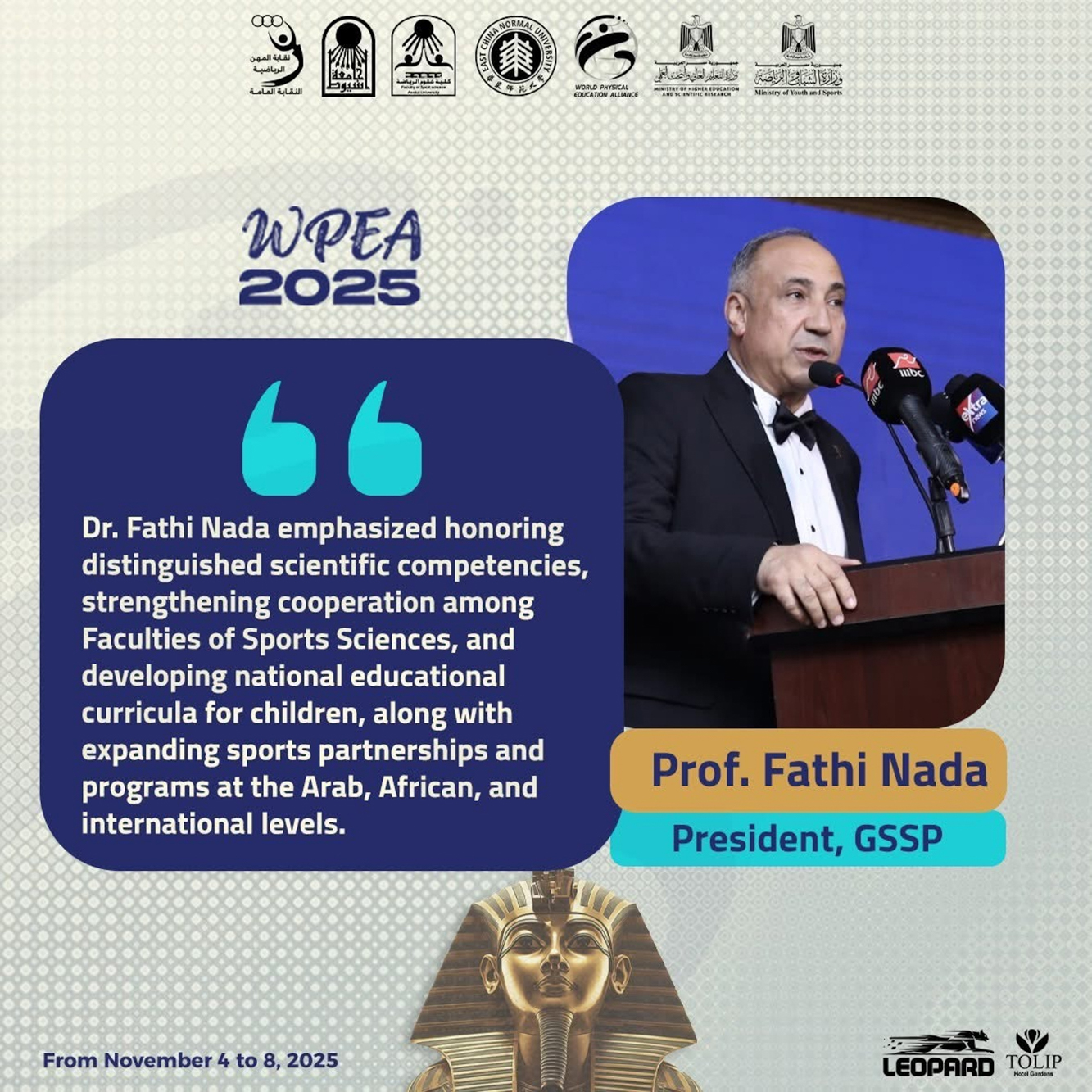
At the opening ceremony, the General Syndicate of Sports Professions presented the KENANA Award, a high honor in Egypt’s sports sector, to Professor Liu Ji, Founding President of the World Physical Education Alliance, and Professor Xiaozan Wang, Founding Secretary-General, in recognition of their outstanding contributions to international cooperation in physical education. Established by the General Syndicate, the trophy features an ancient Egyptian obelisk encircled by olive branches, symbolizing that “sport builds civilization, and movement creates peace,” and reflecting sport’s unique value in linking past and future and advancing our shared human development. Following the ceremony, Professors Liu Ji and Xiaozan Wang were interviewed by CBC Egypt, where they shared the Alliance’s vision and the far-reaching significance of China–Egypt collaboration.

A Scholarly Feast: Diverse Perspectives on New Pathways in Physical Education
In the keynote session, three scholars from different countries and disciplinary backgrounds offered in-depth reflections on contemporary issues and global challenges in physical education, delivering a transnational dialogue that combined intellectual rigor with cultural warmth. Together, they addressed the fundamental questions of why physical education must be global and why it must be diverse.
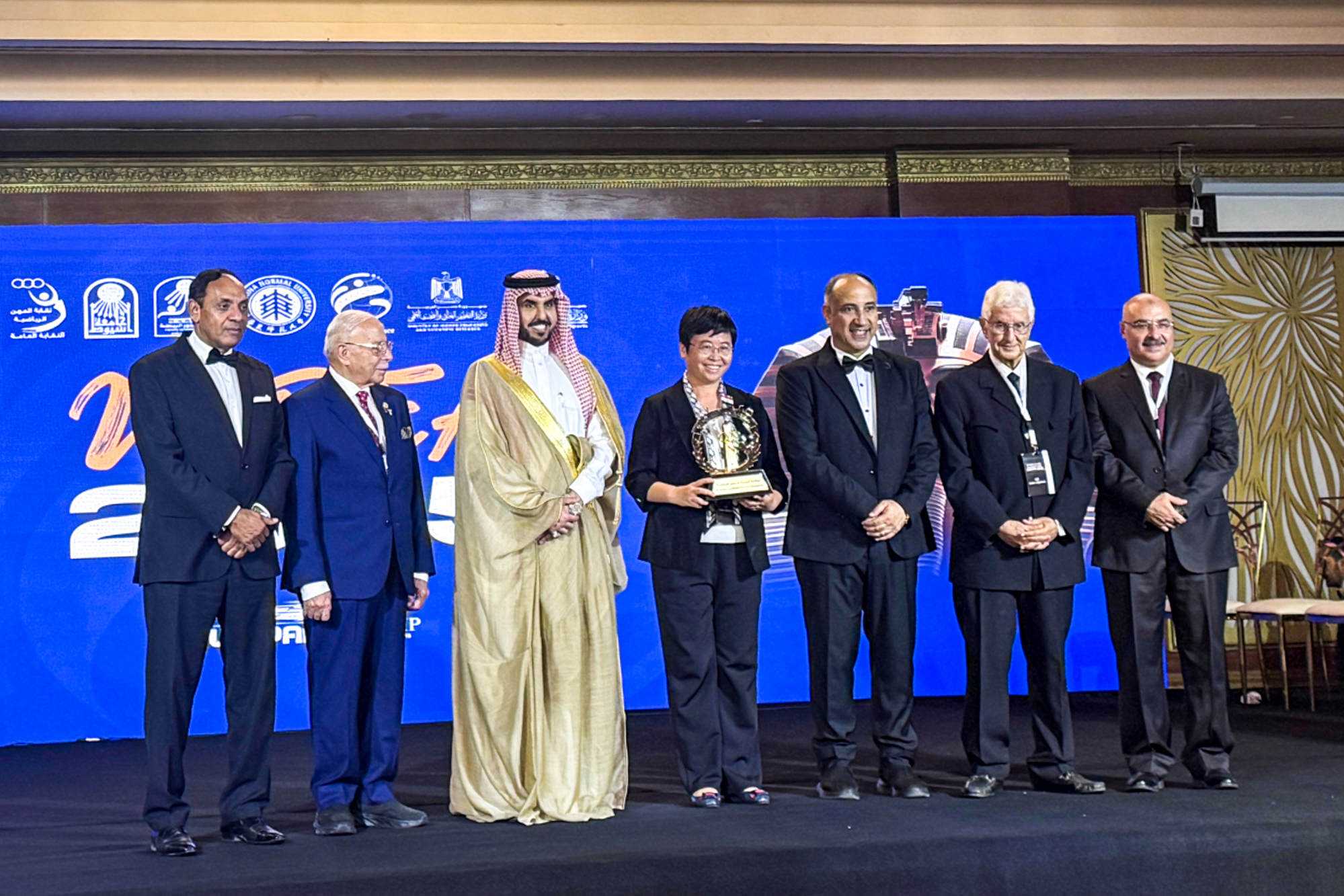
In his talk, “Reform and Development of Physical Education & Health Curricula in Chinese Primary and Secondary Schools under a Literacy-Oriented Framework,” Professor Liu Ji systematically outlined the core concepts and policy logic of China’s Physical Education & Health Curriculum Standards for Compulsory Education (2022 edition) and General High School Curriculum Standards (2017 edition), offering a Chinese approach to the global development of physical education.
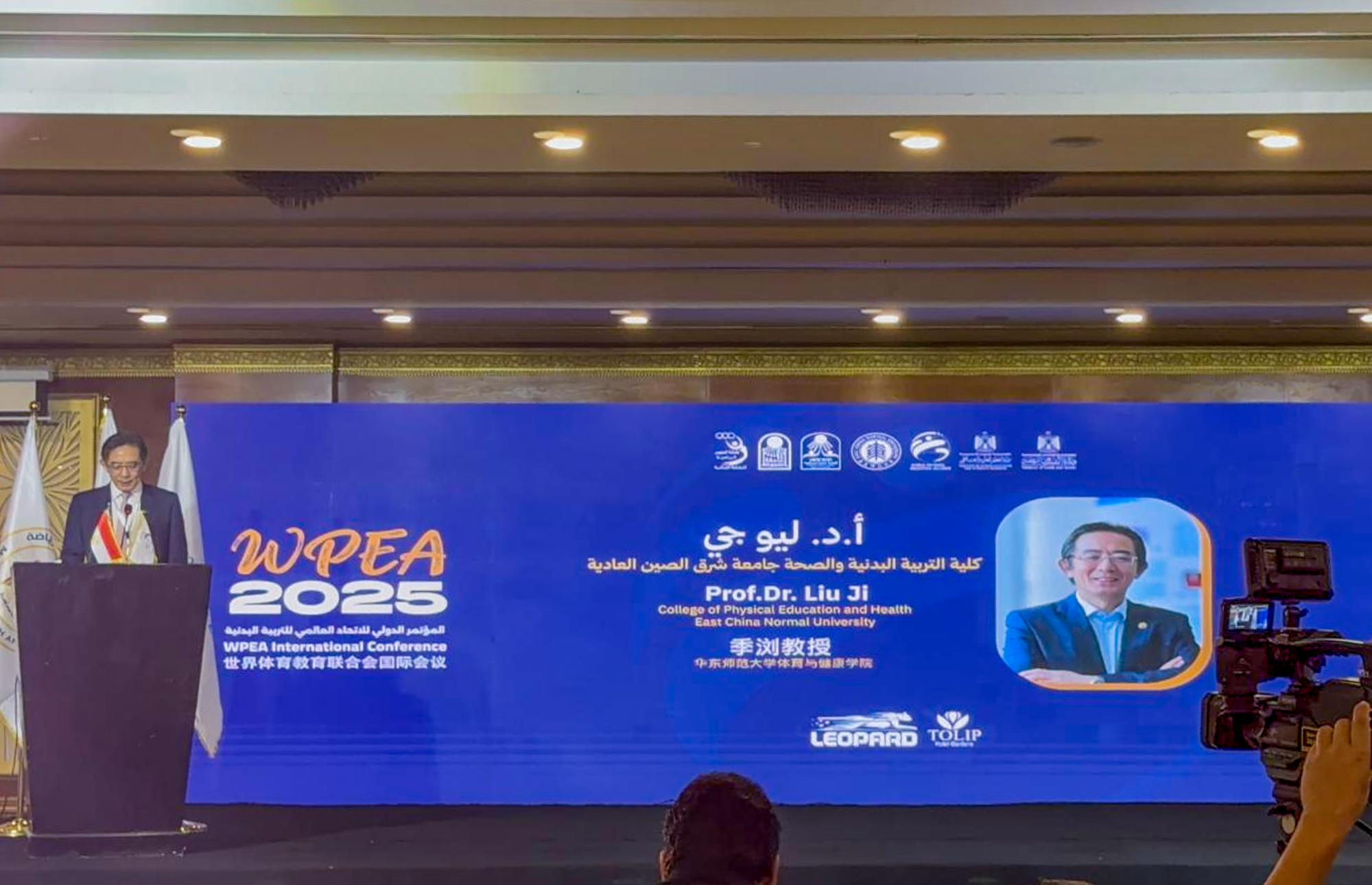
Professor Dale Ulrich of the University of Michigan presented his work on “Assessment and Measurement of Children’s Gross Motor Skills,” providing a detailed overview of the Test of Gross Motor Development (TGMD), developed under his leadership, and its empirical applications across multiple countries and regions. He emphasized the crucial role of rigorous, science-based assessment systems in improving the quality of instruction.
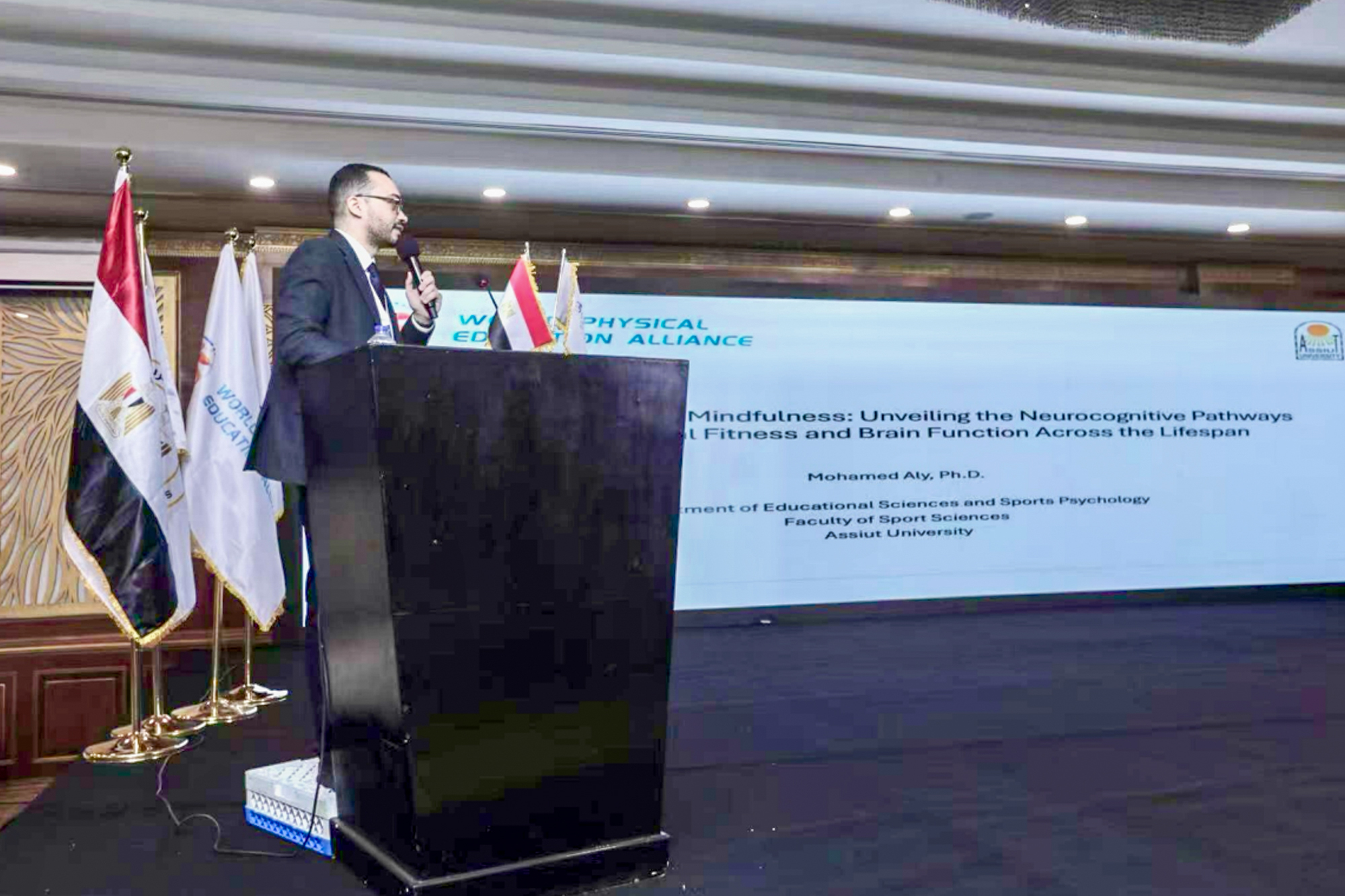
Professor Mohamed Aly of Assiut University (Egypt) delivered an interdisciplinary talk titled “From Movement to Mindfulness: Unveiling the Neurocognitive Pathways Linking Physical Fitness and Brain Function Across the Lifespan.” From a neuroscience perspective, he elucidated the mechanisms by which physical activity shapes brain development and supports cognitive functioning across the lifespan.
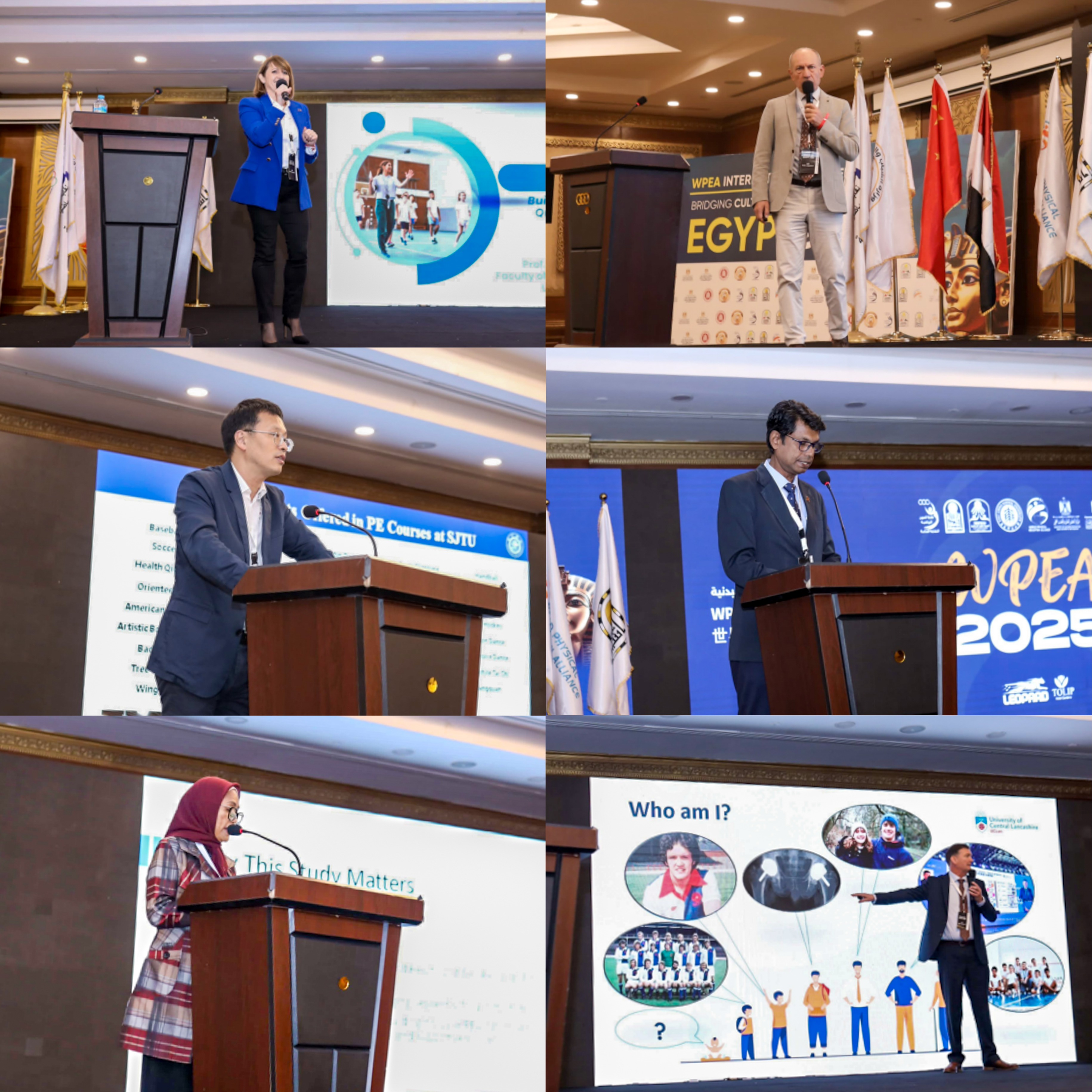
In the thematic sessions, 14 experts and scholars from the United States, New Zealand, the United Kingdom, Türkiye, North Macedonia, India, Sri Lanka, and Malaysia explored topics ranging from the inheritance of traditional sports culture and physical education for special populations to the development of inclusive PE. Drawing on localized practices such as yoga education and traditional games, they showcased distinctive development pathways for physical education across diverse cultural contexts. Notably, Egyptian scholars proposed localizing the China Healthy Physical Education model and the KDL Physical Education & Health curriculum developed under the leadership of ECNU’s College of Physical Education & Health, highlighting the international influence of China’s physical education philosophy.
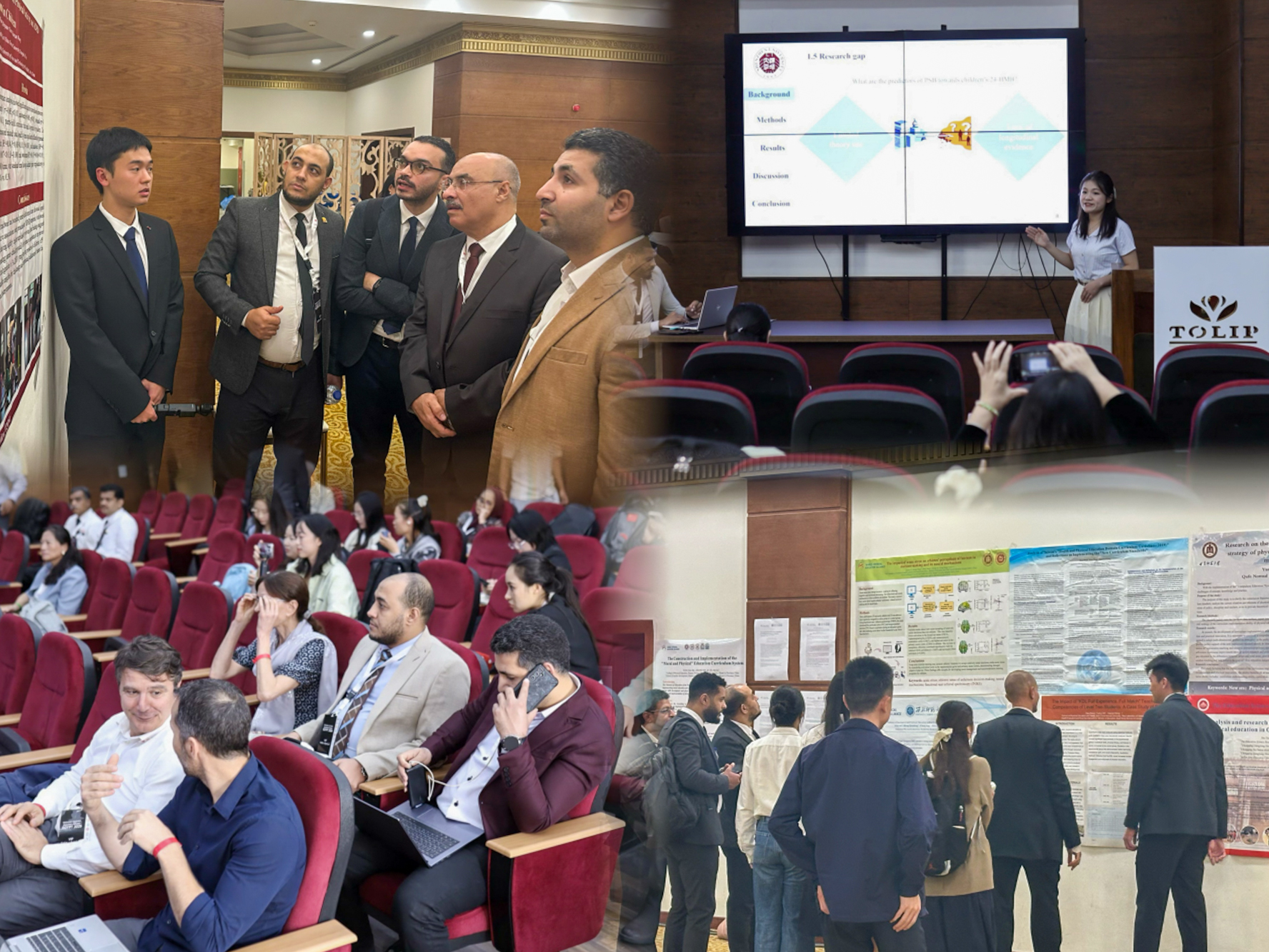
In the parallel sessions, more than one hundred abstracts were presented through oral and poster formats, fostering in-depth discussions among Chinese and international scholars on topics such as the inheritance of sports culture, the empowerment of digital technologies, and youth health interventions. China’s practical achievements in building PE curriculum systems and enhancing teachers’ instructional capacity, especially the reform and teaching practices of China’s Physical Education & Health curriculum led by the course team of ECNU’s College of Physical Education & Health, drew keen attention from participants.
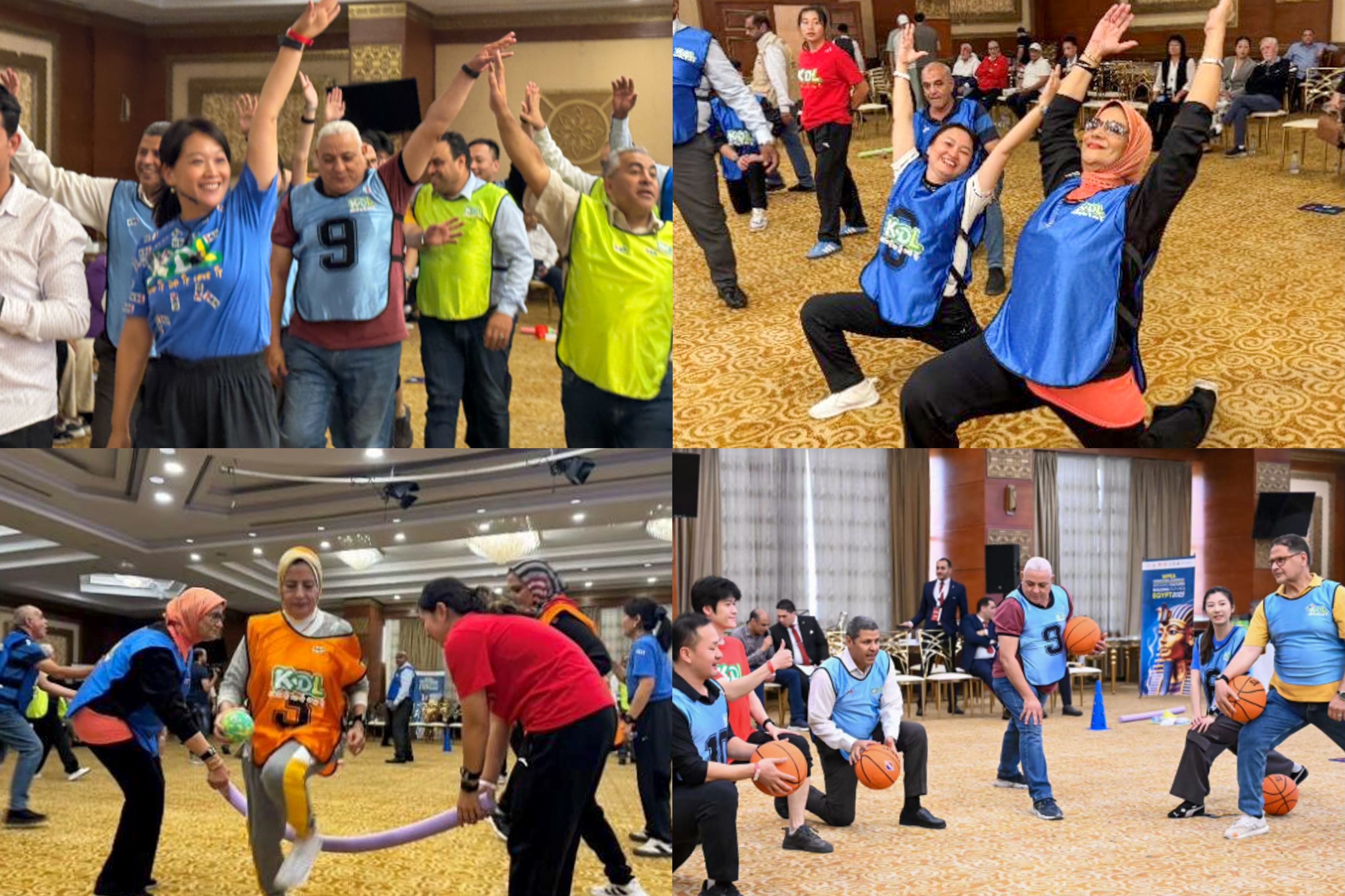
As a key component of the conference, the KDL Physical Education & Health curriculum team led by Professor Xiaozan Wang, Dean of the College of Physical Education & Health at East China Normal University, hosted an international Workshop on “Teaching Philosophy and Practice Demonstration.” The workshop brought together 28 deans from Egyptian universities offering physical education programs, along with scholars, faculty, and students from related fields.
Beginning with a KDL rhythmic warm-up as an icebreaker, the workshop showcased phased, structured designs and contextualized tasks for classroom routines, fundamental skills, sport-specific instruction, and physical conditioning—vividly demonstrating the practical translation of the “Know it, Do it, Love it” (KDL) philosophy. Professor Wang systematically outlined how the KDL curriculum aligns and integrates with China’s Physical Education & Health Curriculum Standards for Compulsory Education (2022 edition) and the China Healthy Physical Education model, sparking animated discussion.
Participants praised highly the KDL curriculum’s professional rigor, systematic framework, and cultural adaptability, and expressed strong interest in localizing and promoting the program in Egypt, further underscoring the international influence of China’s physical education philosophy.

Win–Win Cooperation: Co-creating a New Global Landscape for Physical Education
During the conference, the Third Board Meeting of the World Physical Education Alliance was also convened, with more than 40 board representatives from over 20 countries and regions participating in a hybrid format. Chaired by Secretary-General Professor Xiaozan Wang, the meeting reviewed the Alliance’s achievements over the past year and reached broad consensus on its future directions.
The Board successfully completed the presidential election, and Professor Liu Ji, Founding President of the World Physical Education Alliance and faculty member of ECNU’s College of Physical Education & Health, was reappointed by an overwhelming majority. The meeting also resolved to establish the Alliance’s first sub-alliance—the Egypt Sub-Alliance, and confirmed that the 2027 WPEA Conference will be hosted by the Goce Delcev University of North Macedonia. These key decisions mark a solid step forward in the Alliance’s regional development.
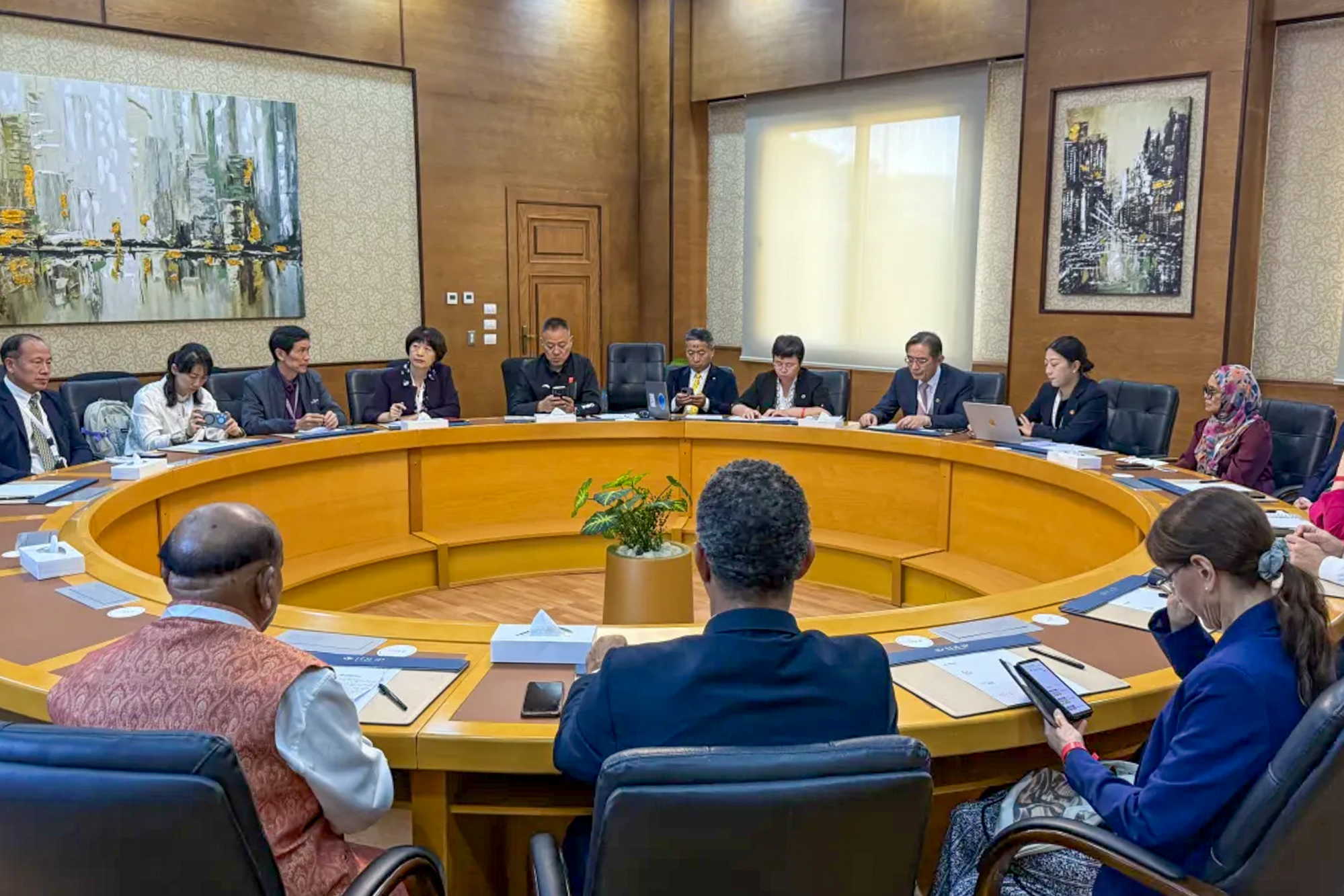
Following the Board Meeting, Professor Xiaozan Wang met with Professor Dr. Fathi Nada, Head of the General Syndicate of Sports Professions; Dr. Fahd bin Nayef Al-Faqeer, Representative of the Kingdom of Saudi Arabia and President of the Arab Disabled Sports Foundation; and the 28 deans from Egyptian universities offering physical education programs. Together, they held in-depth discussions on the structure and organization of the WPEA Egypt Sub-Alliance, deepening China–Egypt cooperation in higher-education physical education, training of PE teachers, and the healthy development of children and adolescents.
Professor Wang emphasized that the establishment of the Egypt Sub-Alliance will provide an important platform for Egypt’s collaboration with partners worldwide in physical education, fostering deeper exchanges in talent cultivation and academic research. Representatives from the Egyptian side affirmed they would seize this opportunity and actively advance the construction and development of the Sub-Alliance.
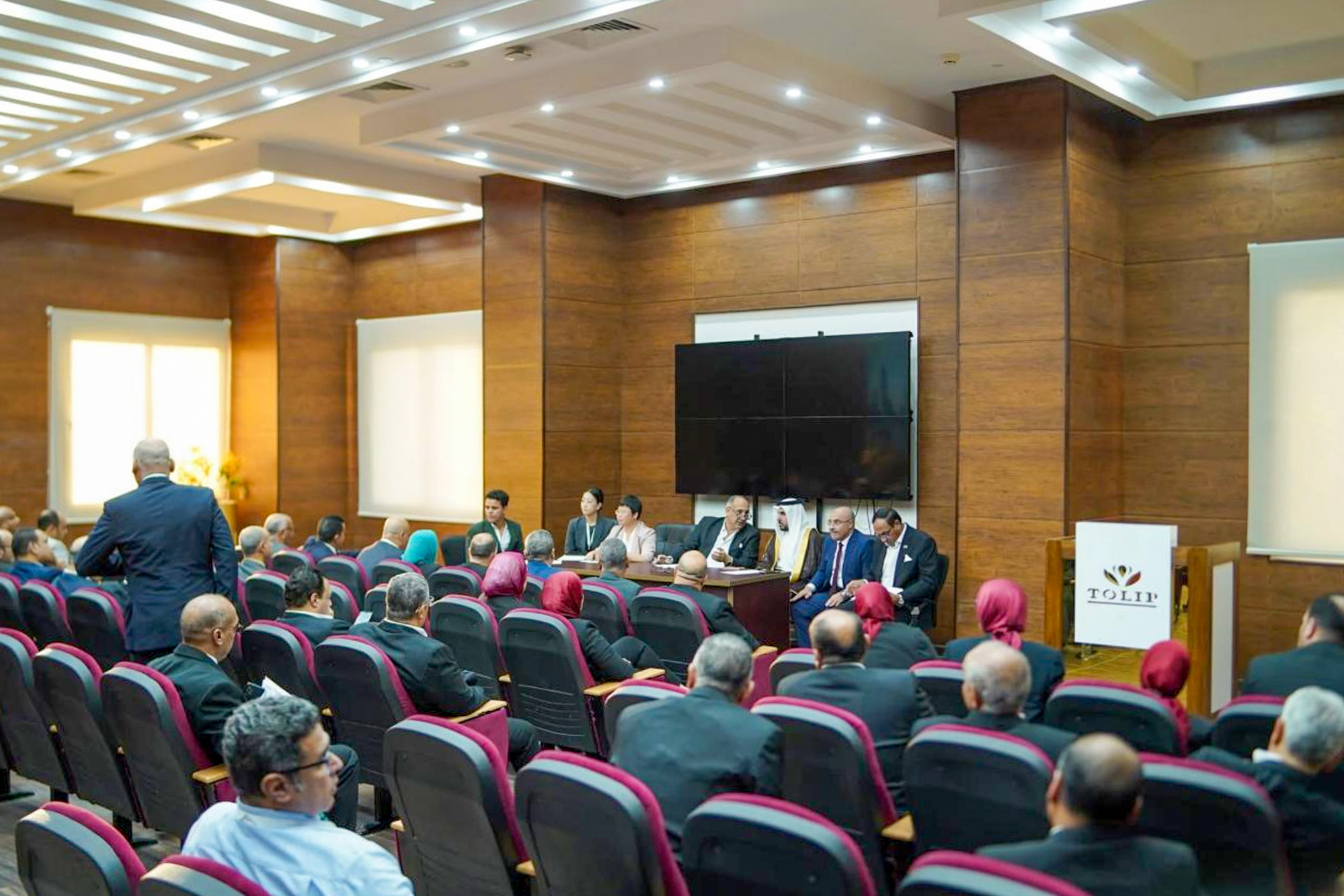
Successful Closing: Mutual Learning to Co-create a New Future for Physical Education
In a warm and dignified atmosphere, all conference agenda items were successfully concluded. In his closing remarks, Professor Liu Ji noted that the conference served as an important platform for mutual learning among physical education professionals worldwide, highlighting the role of physical education as a bridge and a shared human language. He affirmed that the Alliance would continue to uphold openness and inclusiveness, deepen multilateral cooperation, and further build global consensus in physical education.
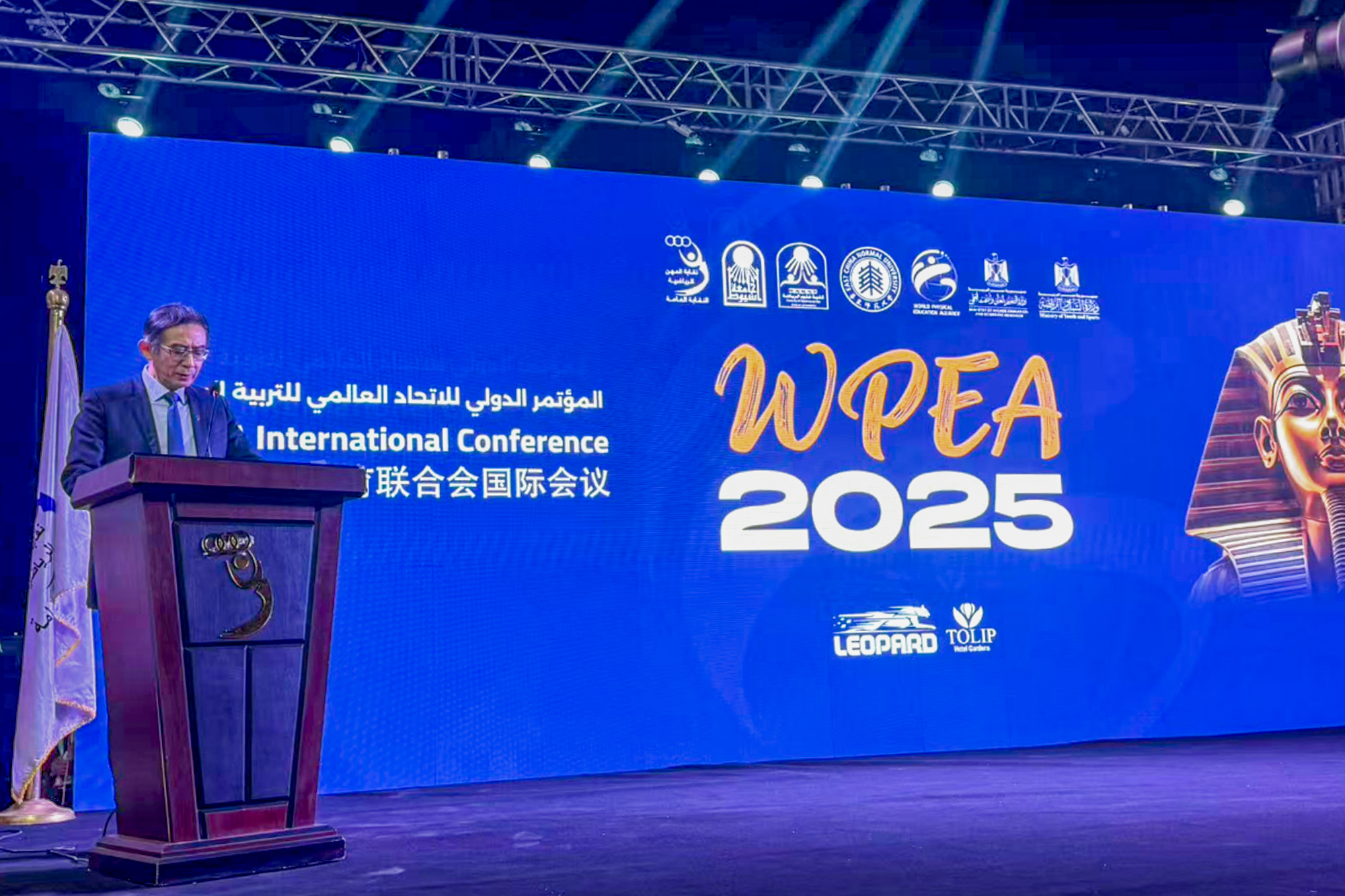
Professor Xiaozan Wang, in reviewing the outcomes of the conference, said that three days of high-quality dialogue and in-depth interaction fostered conceptual resonance, expanded the vision for cooperation, and showcased the tremendous potential for the collaborative development of global physical education across diverse cultural contexts. She expressed heartfelt thanks to participants from around the world and noted that East China Normal University will continue to serve as a bridge and connector, working with global partners to co-create a future of high-quality development in physical education. Finally, she officially announced the establishment of the WPEA Egypt Sub-Alliance.

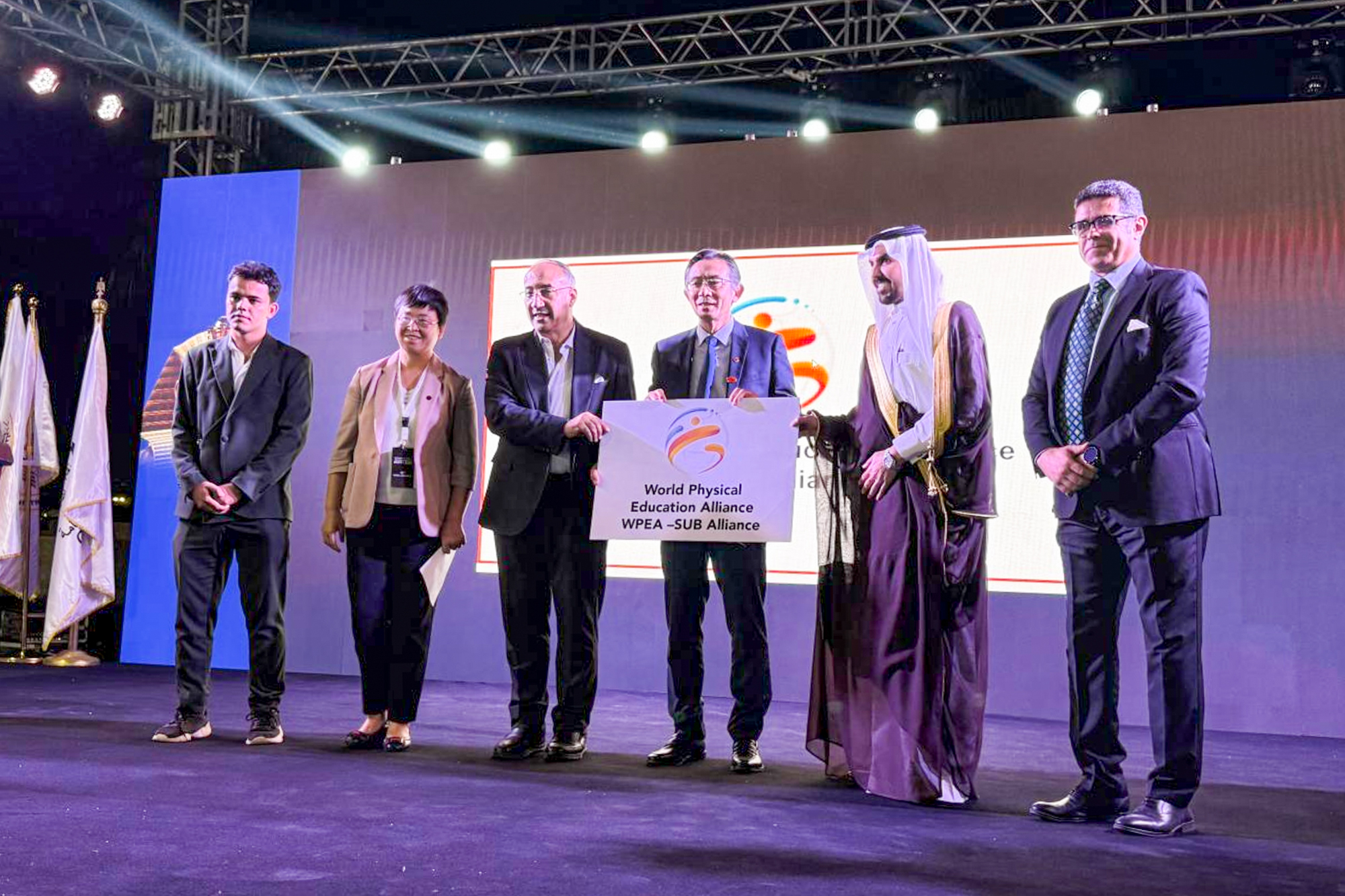
At the closing ceremony, the baton for the 2027 World Physical Education Alliance Conference (2027 WPEA) was formally passed to the next host—Goce Delcev University of North Macedonia. This handover not only symbolizes the continuity of mission and commitment, but also opens a new chapter in global cooperation in physical education. Finally, representatives from China and Egypt exchanged culturally distinctive commemorative gifts, expressing their sincere hopes for future collaboration.
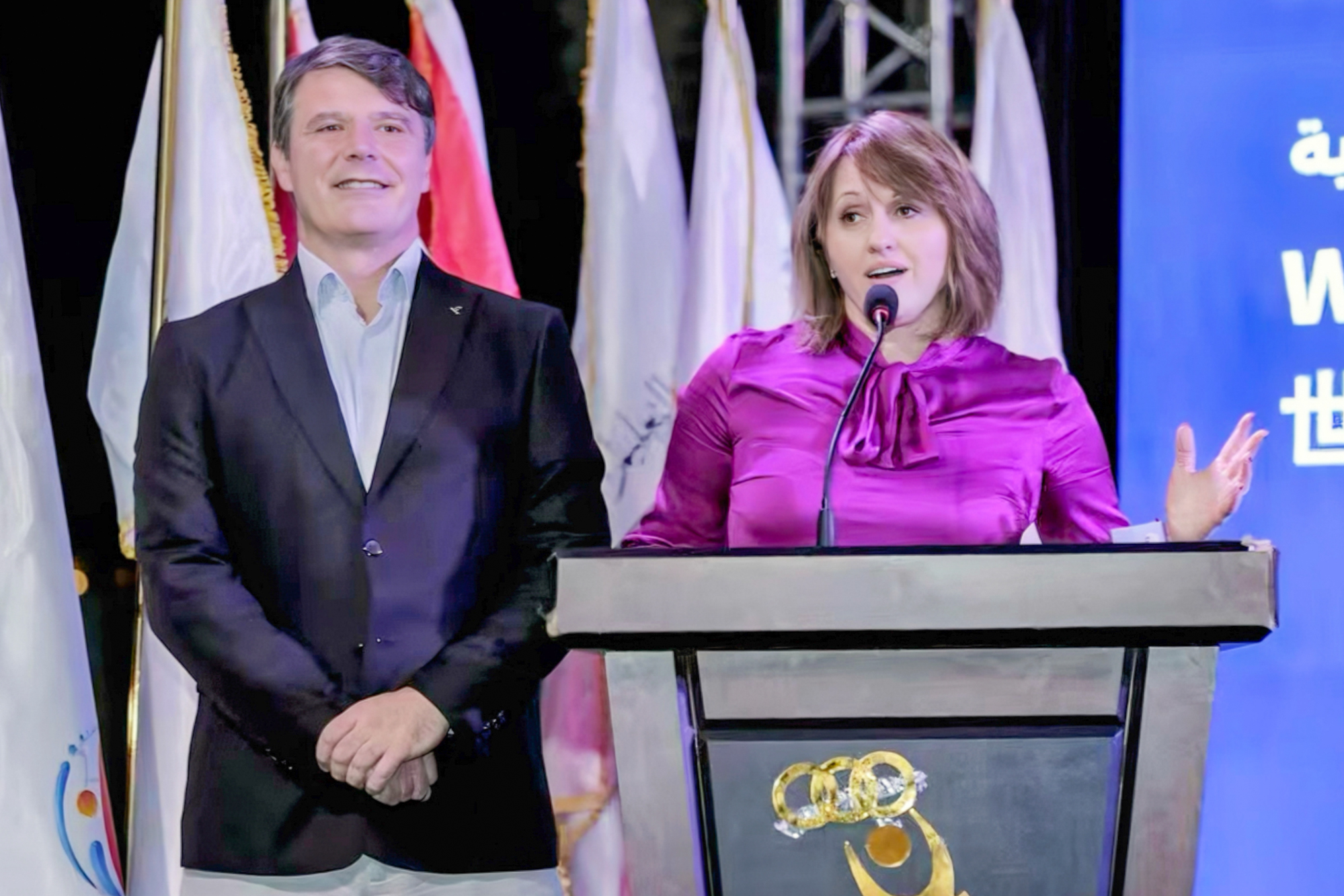
With its high-level academic exchange and substantial collaborative outcomes, the conference has injected new momentum into the global development of physical education. Under the guidance of the World Physical Education Alliance, an “education community with a shared future” is taking shape at pace. The consensus we forge today becomes the cornerstone of tomorrow; the hands we join now open a new chapter for the future. Let us look forward to the torch of physical education continuing to carry wisdom across the globe, build shared understanding, and illuminate a world that is more inclusive, interconnected, and full of hope.

Author: Zicheng Wang, Yichen Wang, Chengfei Liu
Photos credit: Pingping Ma,Feifan Li