East China Normal University’s (ECNU) "Future Manager - Four-Season Practical Course", which takes the flower meanings of the four seasons as its thread, guides college students to perceive the development of the times and enhance their sense of responsibility through practical activities. Recently, the practical class walked into Wuyuan, Jiangxi Province. Immersed in the layered sea of flowers and Huizhou-style ancient buildings, teachers and students had in-depth exchanges with village cadres, interviewed the most beautiful rural builders, observed the details of grassroots governance on the spot, and discussed construction plans around rural development topics, understanding the great changes in the countryside through personal practice.
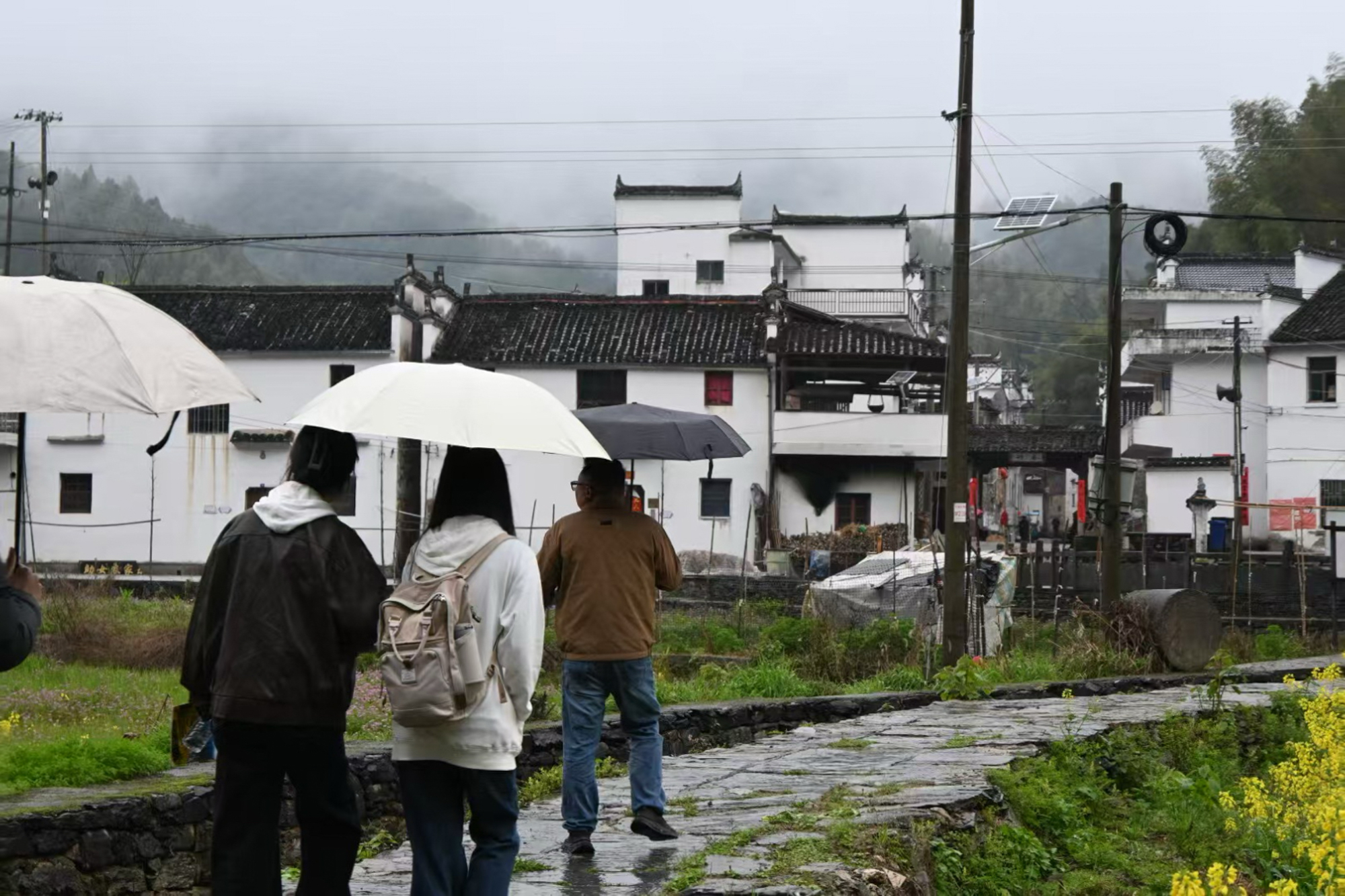
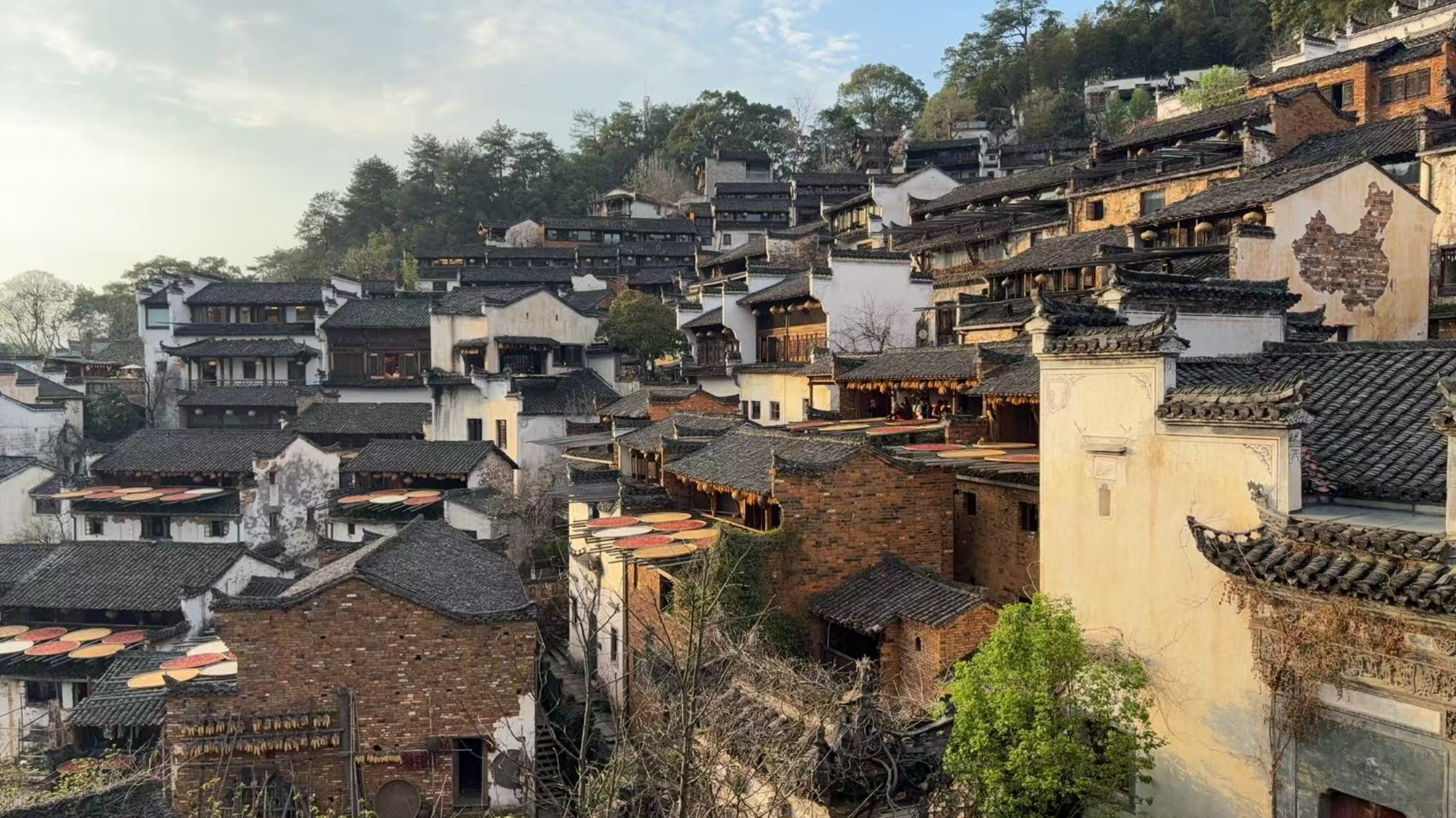
"If I were the village head, how should I develop these terraced fields to attract tourists while allowing villagers to stay and benefit?" Standing on the Glass Plank Road of Huangling Ancient Village, Shao Wen, a master’s student from the Faculty of Education of ECNU, recorded quickly in her notebook. On the first day of the training camp, the students walked into Huangling. "Every ancient building and every intangible cultural heritage skill is a 'rich mine' for rural development." Divided into groups, the students recorded the style of the ancient village with cameras and noted the resource potential with words.
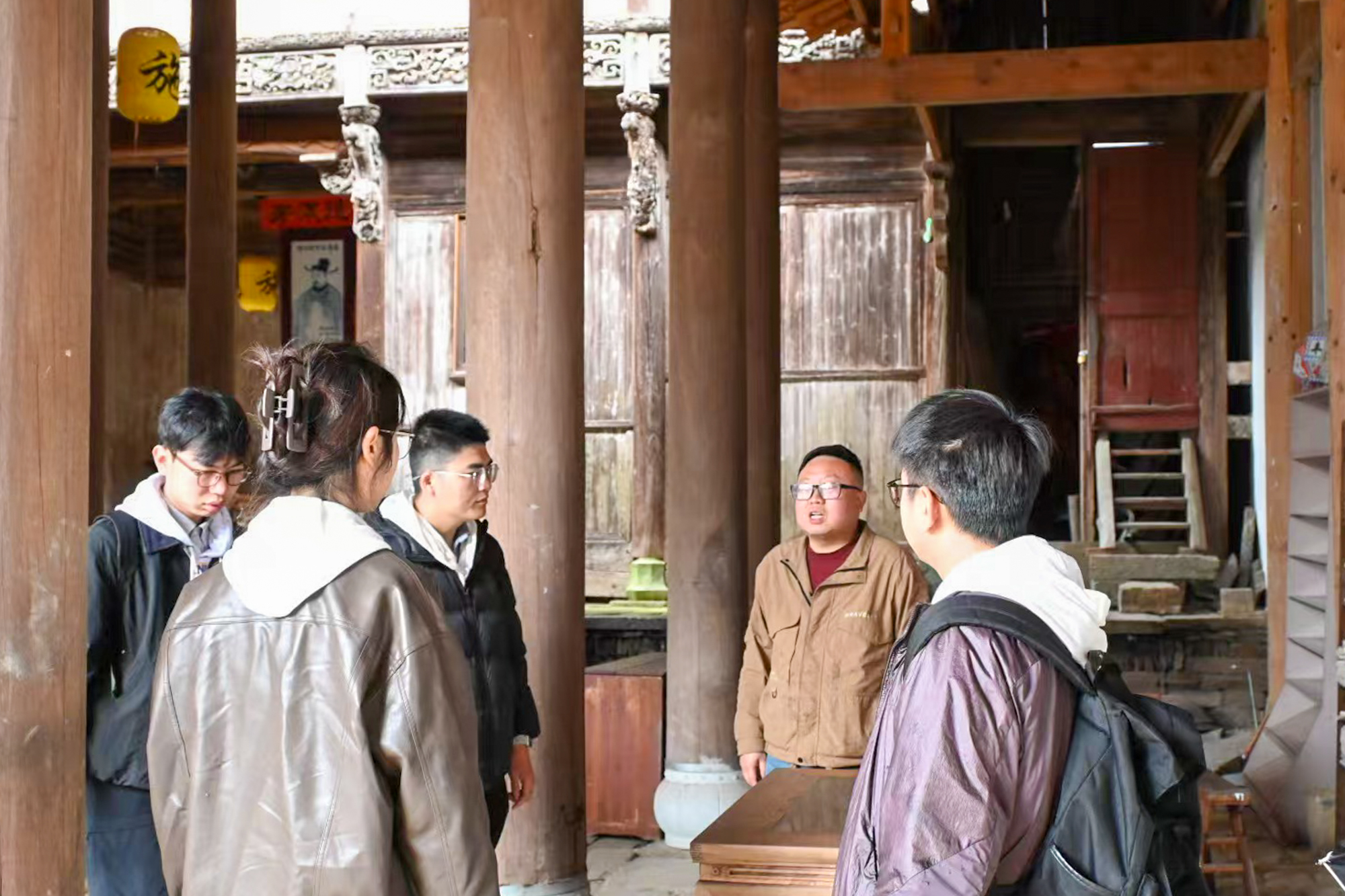
What could I propose if I were a village head for a day? With such questions, the students went to the front-line villages of Qinghua Town, Wuyuan County in groups, sat around with village cadres, and discussed various aspects of rural governance, from collective economy and intangible cultural heritage to population hollowing and industrial transformation. The students conducted on-site surveys along the lanes of the ancient village, measuring the rural texture with their feet—geographical environment, infrastructure, public space, every detail became an observation sample. "The questions raised by the students are very practical, such as how to balance tourism development and ecological protection, and how to make young people willing to come back. These are the problems we are thinking about," a village cadre in Qinghua Town sighed after the forum. "College students have new perspectives and flexible ideas, which have brought us a lot of inspiration."
"A micro-suggestion within 300 words seems simple, but it actually tests the ability to refine problems, express accurately and design schemes." In the training course, each group needed toput forward a thematic research report for the town’s development. Each group quickly sorted out data, refined views, and formed a number of "micro-suggestions" for rural development around industrial upgrading, cultural inheritance, ecological protection and other directions.
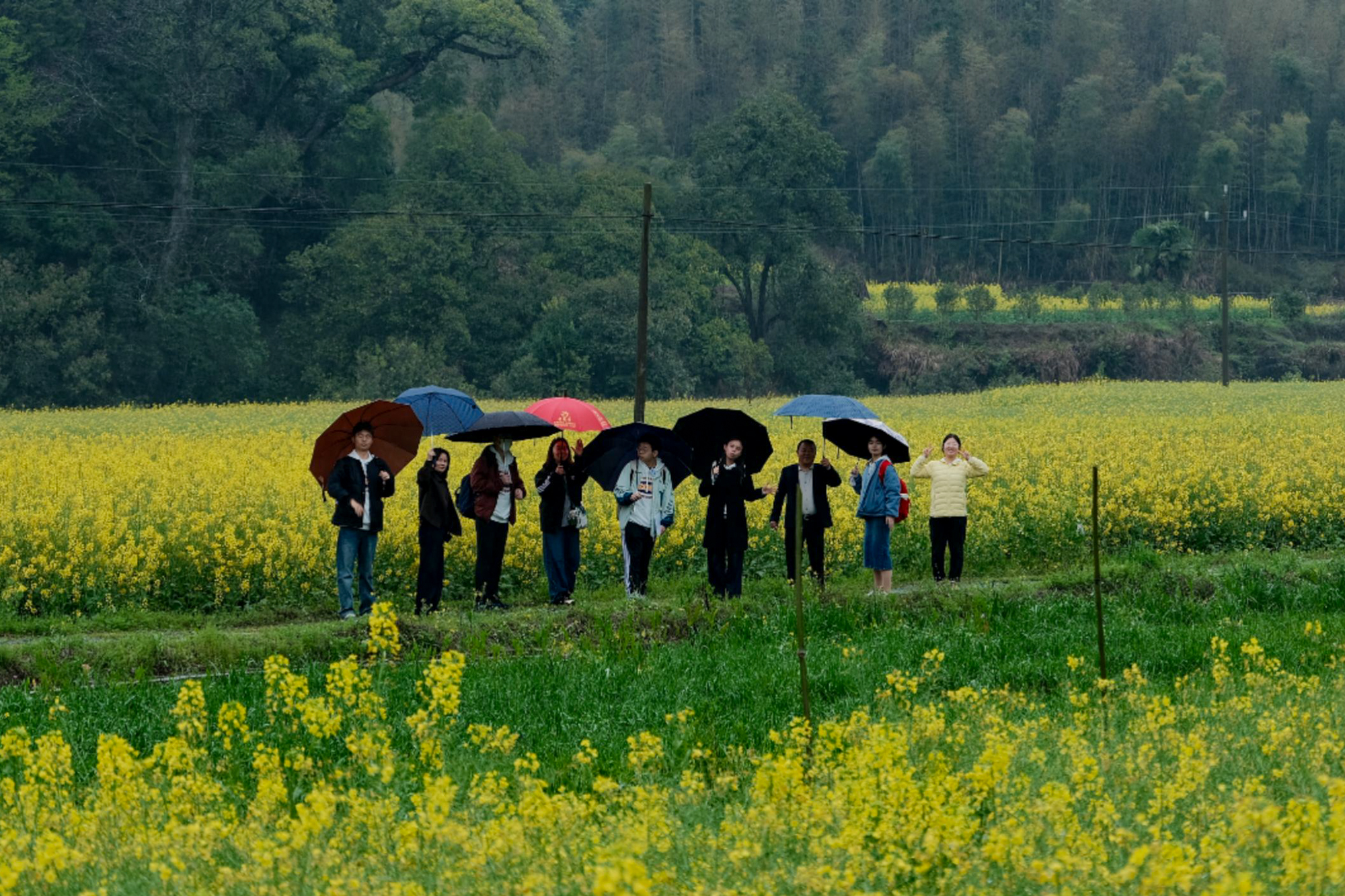
Although the micro-suggestions are short, they embody the students’ in-depth thinking and youth responsibility. Observing the seas of flowering rapeseed all over the mountains around the town, the students suggested: "Expand the industrial chain of rapeseed flowers, develop deep-processing products such as rapeseed honey, rapeseed tea and rapeseed oil, and create a characteristic souvenir brand of Qinghua Town; at the same time, launch rapeseed research courses, flower field art festivals and other activities in combination with the flowering period, so as to extend the 'flowering period economy' into a 'four-season economy'."
Author: Xu Xincheng
Copy editor: Philip Nash