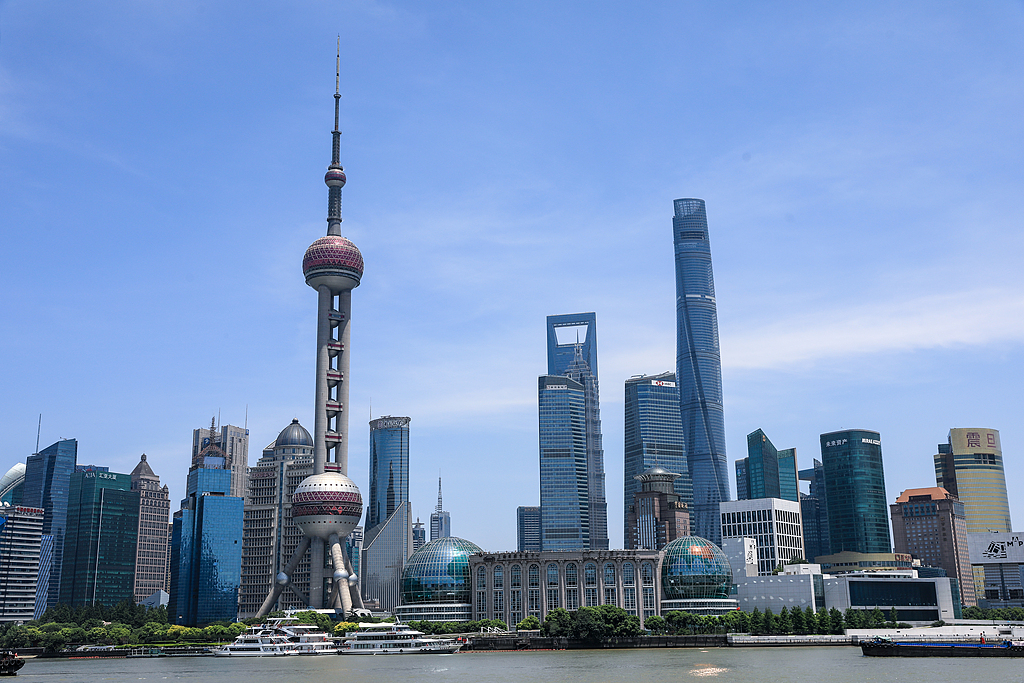
Both surrounded by water, New York and Shanghai tell a shared story of China-US cultural exchange.
From the Huangpu River to the Hudson River, the two global cities continue to connect through culture, education and dialogue.
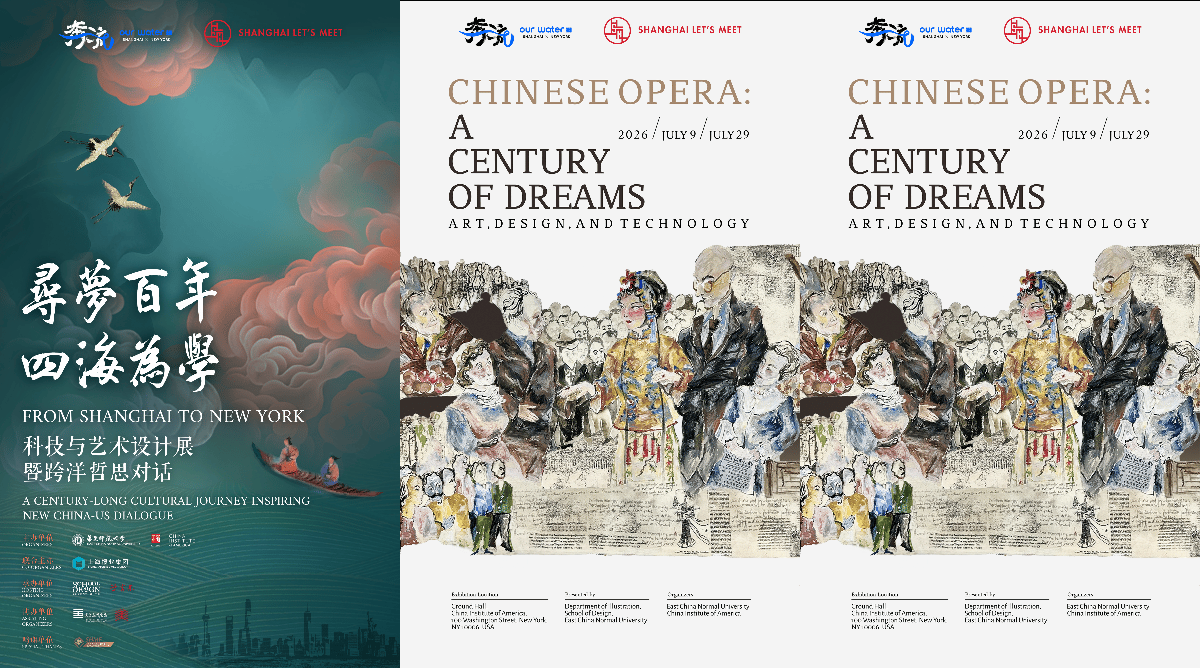
"From Shanghai to New York: A Century-Long Cultural Journey Inspiring New China-US Dialogue", a core session of the third season of "Bund: A Global Urban Humanities Dialogue between Shanghai and New York", was held on June 29 at the China Institute of America in New York.
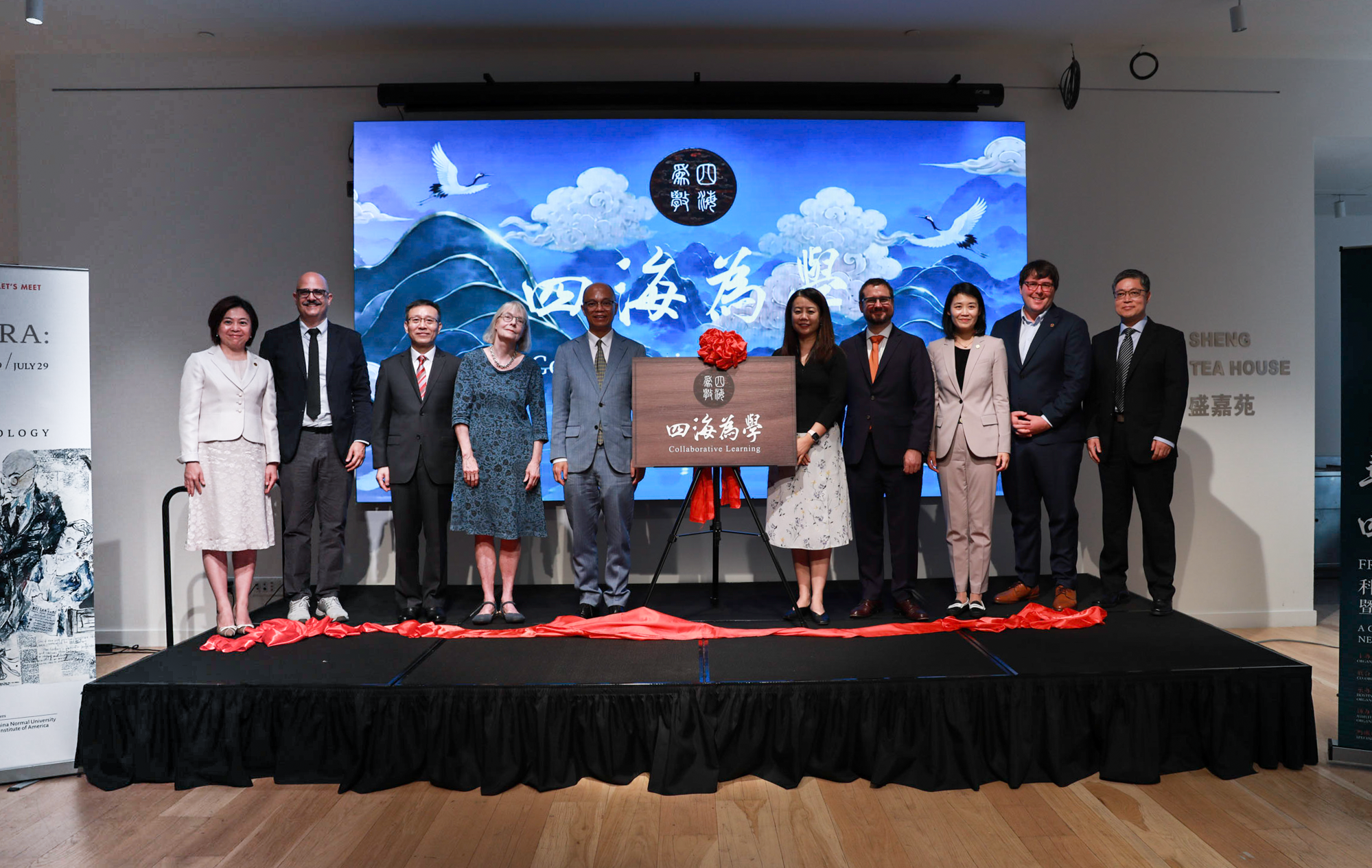
Bringing together young scholars and artists from China and the US, the event explored the intersection of technology, art and philosophy, creating a platform for intellectual exchange among younger generations and encouraging mutual learning across cultures.
"This is not only an academic dialogue across geographical boundaries, but also a cultural exchange that connects history with the future," said Yu Yougen, education counselor of the Chinese Consulate General in New York.
"Shanghai and New York, two internationally renowned cities shaped by water, have maintained close and fruitful exchanges for decades. From the Huangpu River to the Hudson River, what crosses the Pacific is not only exhibitions and conversations, but also the shared aspiration of people from both countries to learn from each other," Yu added.
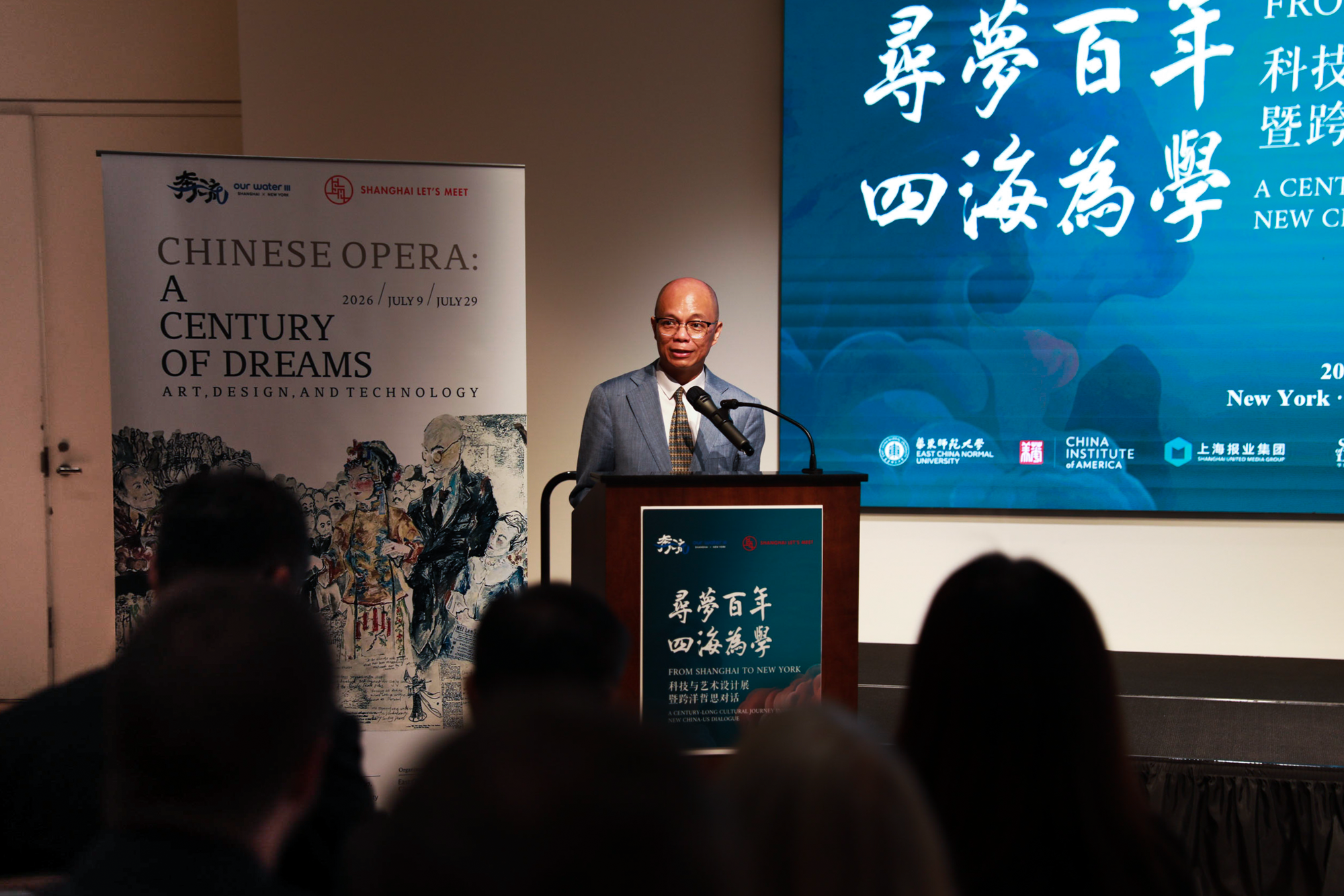
Remarks by Yu Yougen, education counselor, Chinese Consulate General in New York
Yu Jin, president of China Institute of America, said this event is not only a look back at history, but also a continuation of a century-old bond and a shared exploration of the future. Yu expressed hope that by deepening partnerships with East China Normal University and other collaborators, more young people will grow in cross-cultural exchange and mutual understanding.
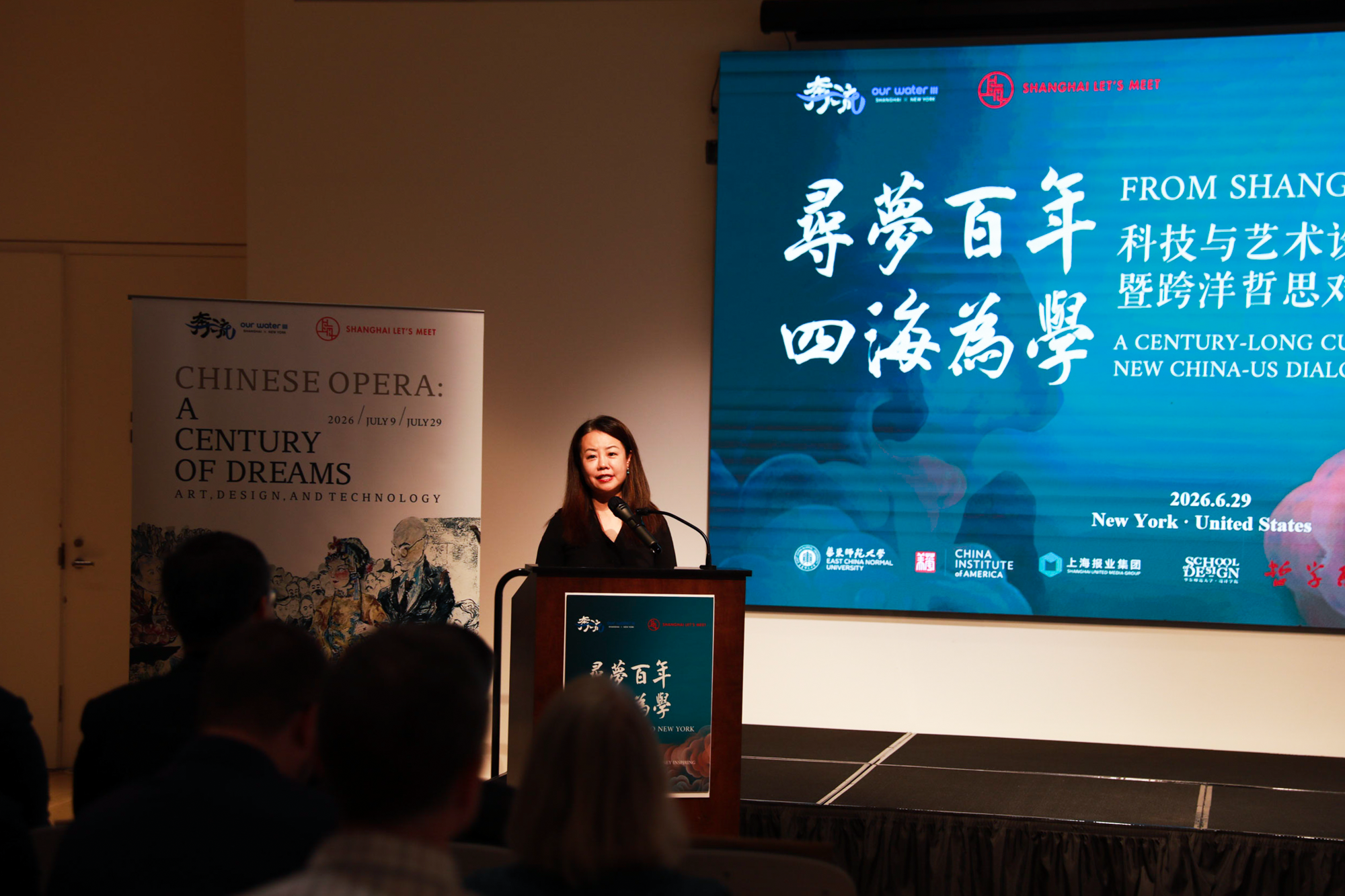
Remarks by Yu Jin, president, China Institute of America
Zhang Huihong, deputy chair of the University Council of East China Normal University, said Shanghai and New York share more than their identities as global cities.
"Shanghai and New York are both cities shaped by water and recognized as international metropolises. Although they are thousands of miles apart, they share similar city spirits of openness and inclusiveness," she said.
"Through collaborative cultural creation and cross-ocean dialogue, we hope to explore more possibilities for people-to-people exchanges between China and the US," she added.
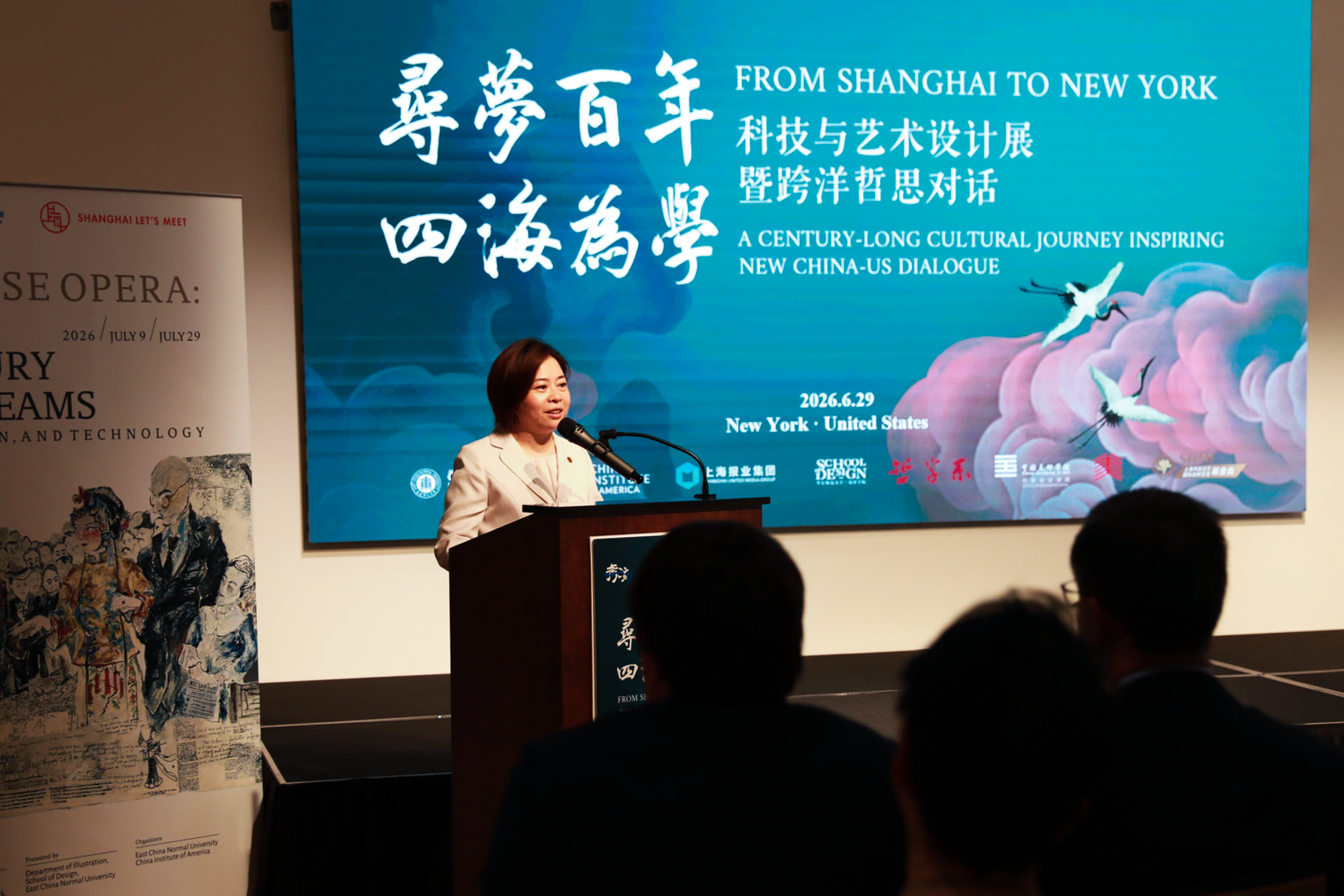
Remarks by Zhang Huihong, deputy chair of the University Council, East China Normal University
Founded in New York in 1926 by figures including Chinese scholar Hu Shih and American educators John Dewey and Paul Monroe, the China Institute of America is one of the oldest nonprofit organizations in the US dedicated to promoting understanding between China and the US through culture and education.
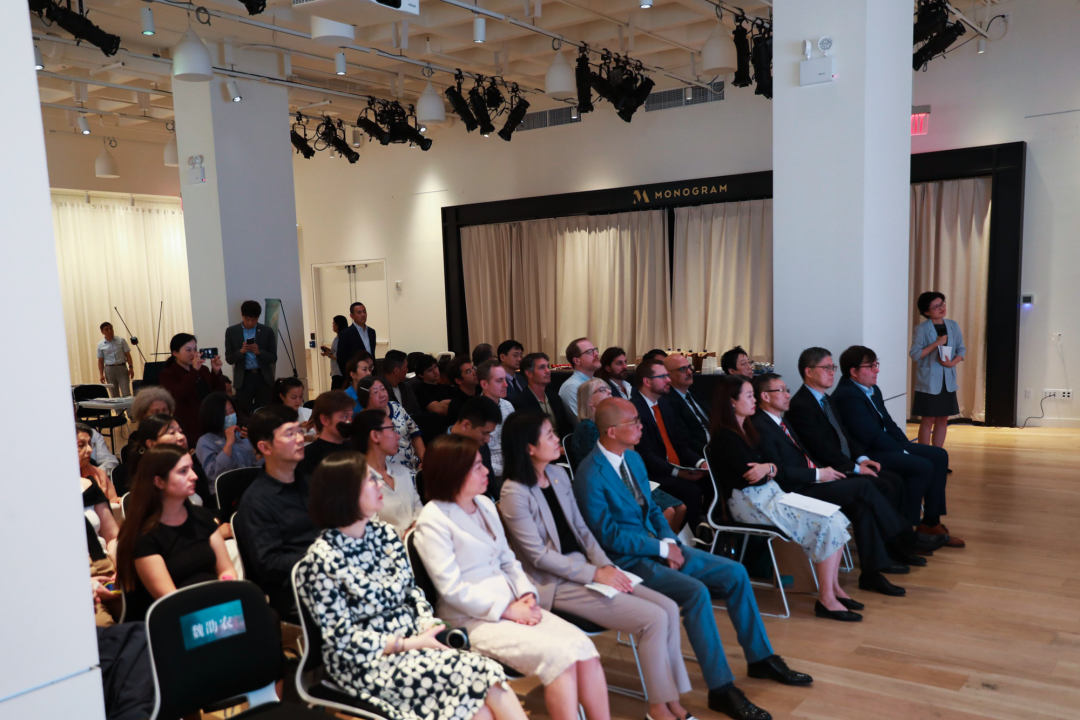
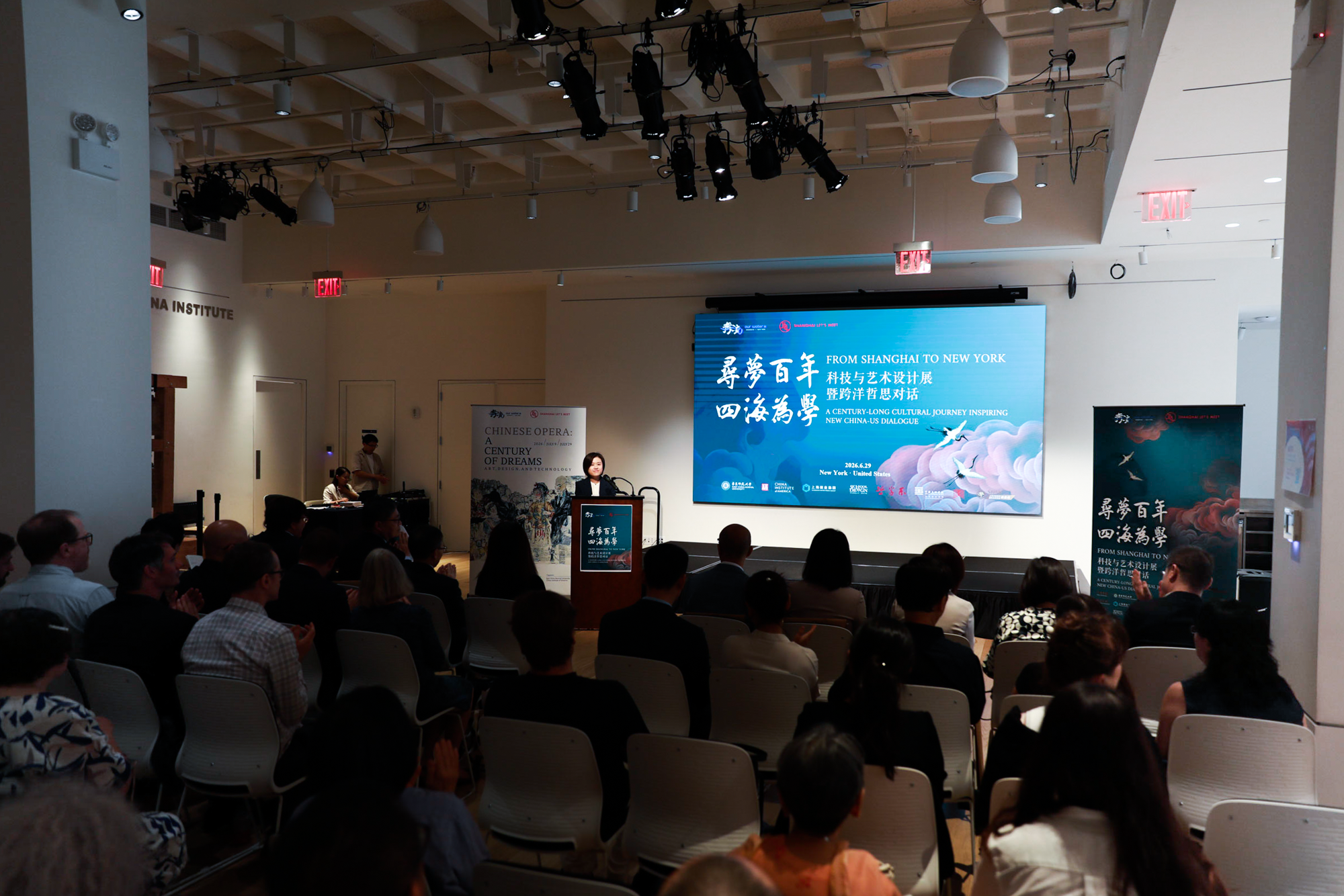
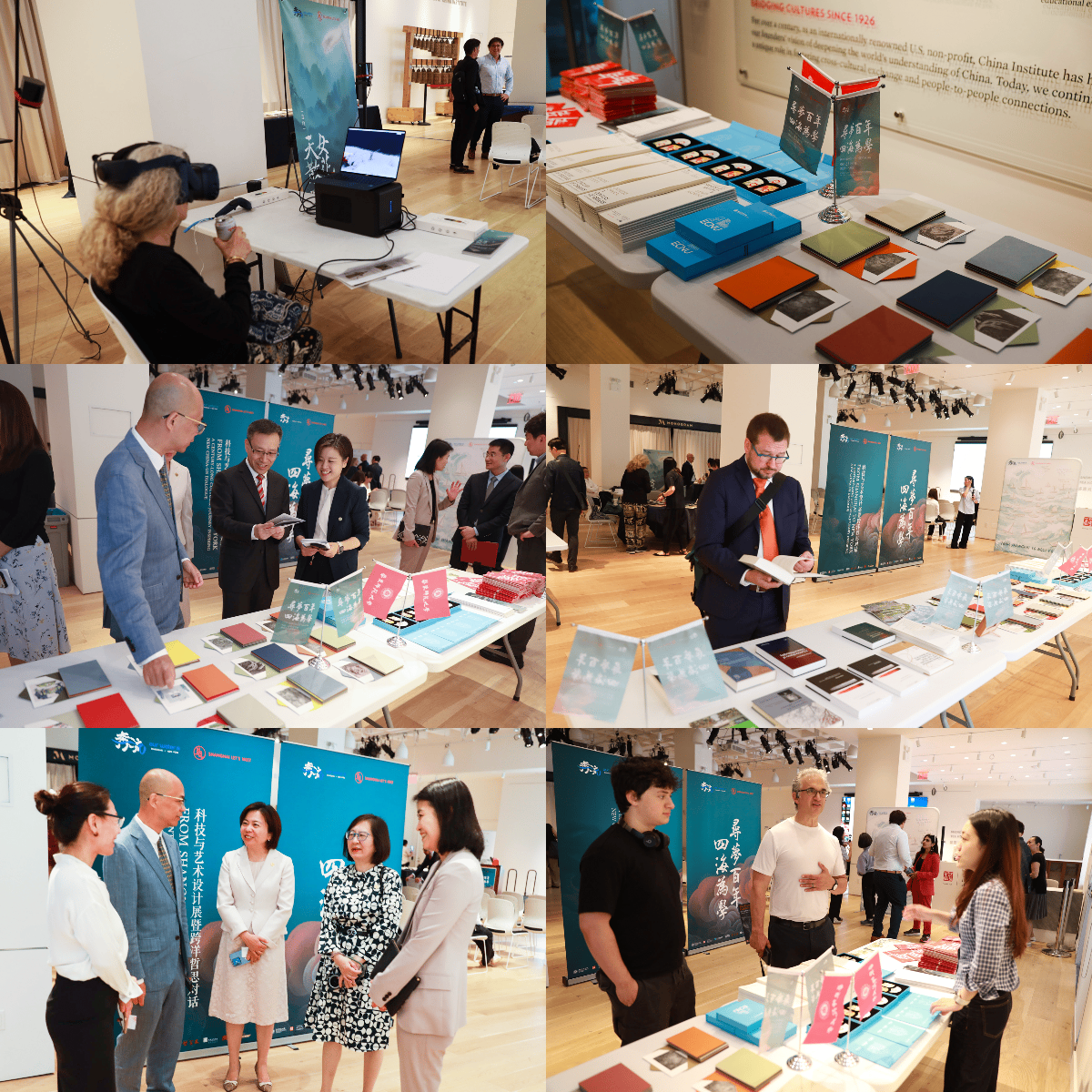
From July 9 to July 30, the gallery will feature more than 100 works created by students and faculty members from East China Normal University. The exhibition traces its inspiration to the 1930 US tour of renowned Peking Opera artist Mei Lanfang, whose performances introduced Chinese opera to American audiences and became a milestone in China-US cultural exchange.
Through prints, paintings, illustrations, animations and AI-generated artworks, the exhibition explores how traditional Chinese art and intangible cultural heritage can be reinterpreted through contemporary design and emerging technologies.
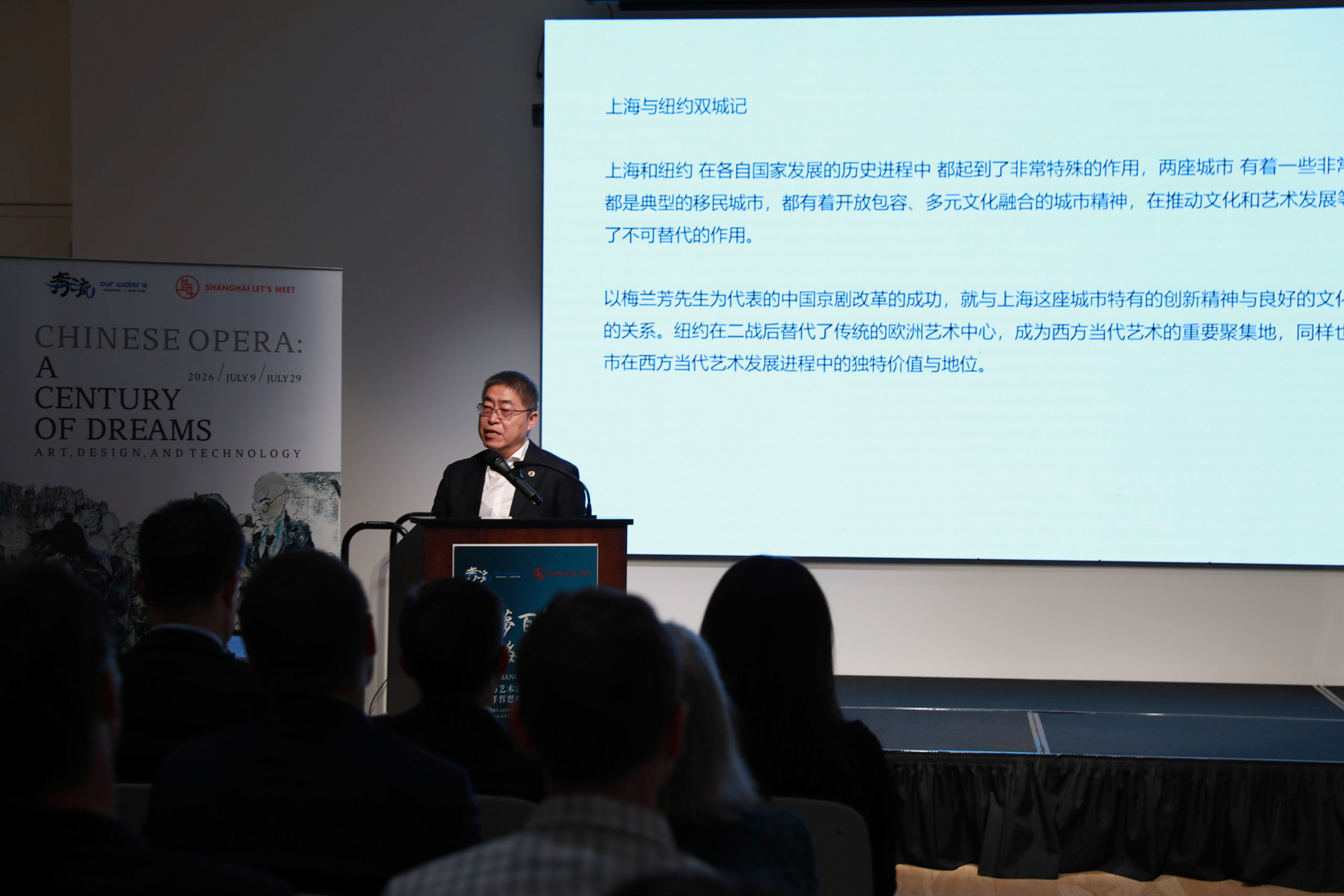
Showcase Introduction by Wei Shaonong, professor, School of Design, East China Normal University
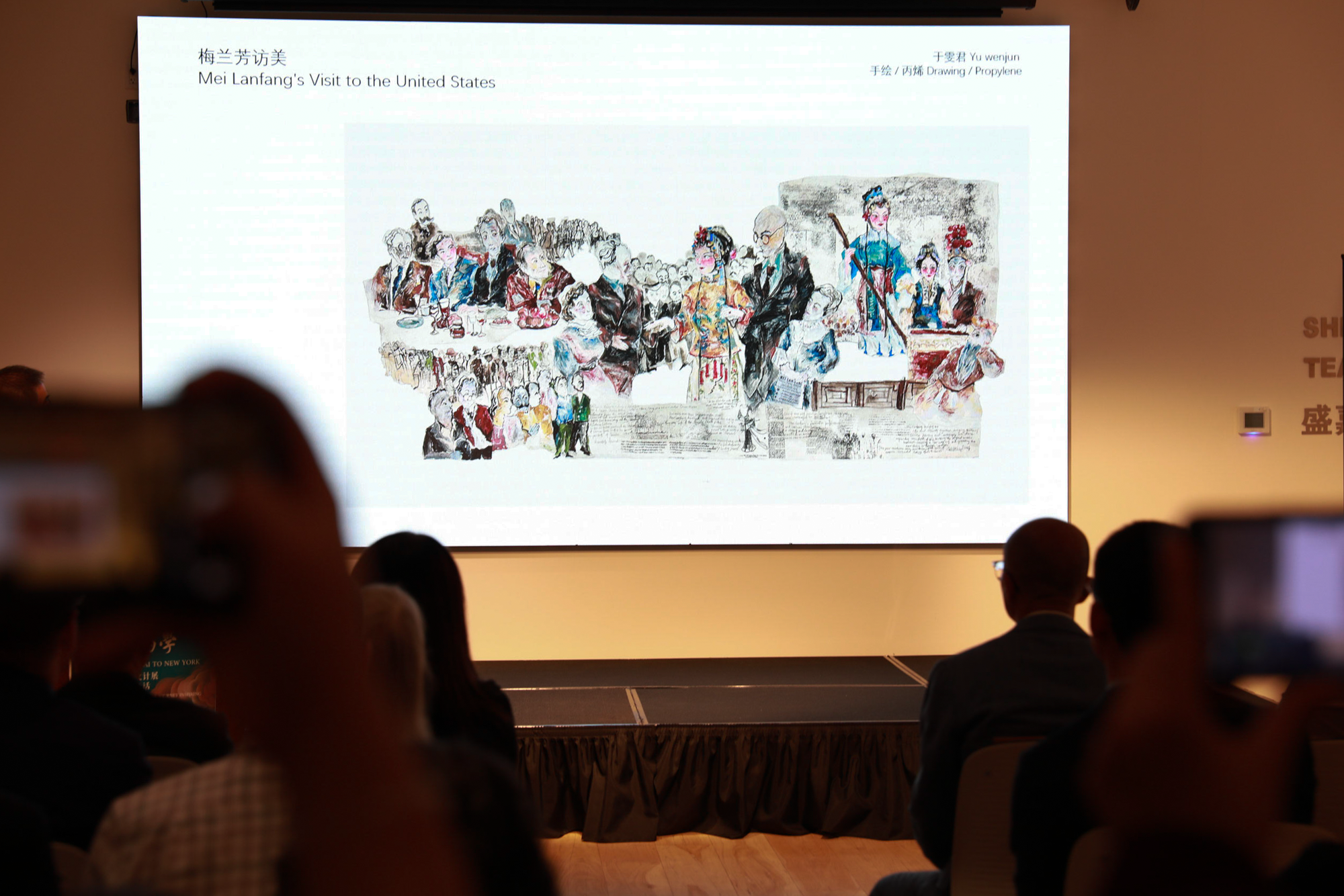
"Our students are trained in contemporary art, but we have always felt that it was important for them to reconnect with their own cultural heritage," said Wei Shaonong, professor at the School of Design of East China Normal University.
"Traditional Chinese culture contains rich artistic elements, and we hope students can reinterpret them through today's artistic language and creative approaches. In this process, they learn from tradition while exploring how traditional art can remain connected to contemporary life."
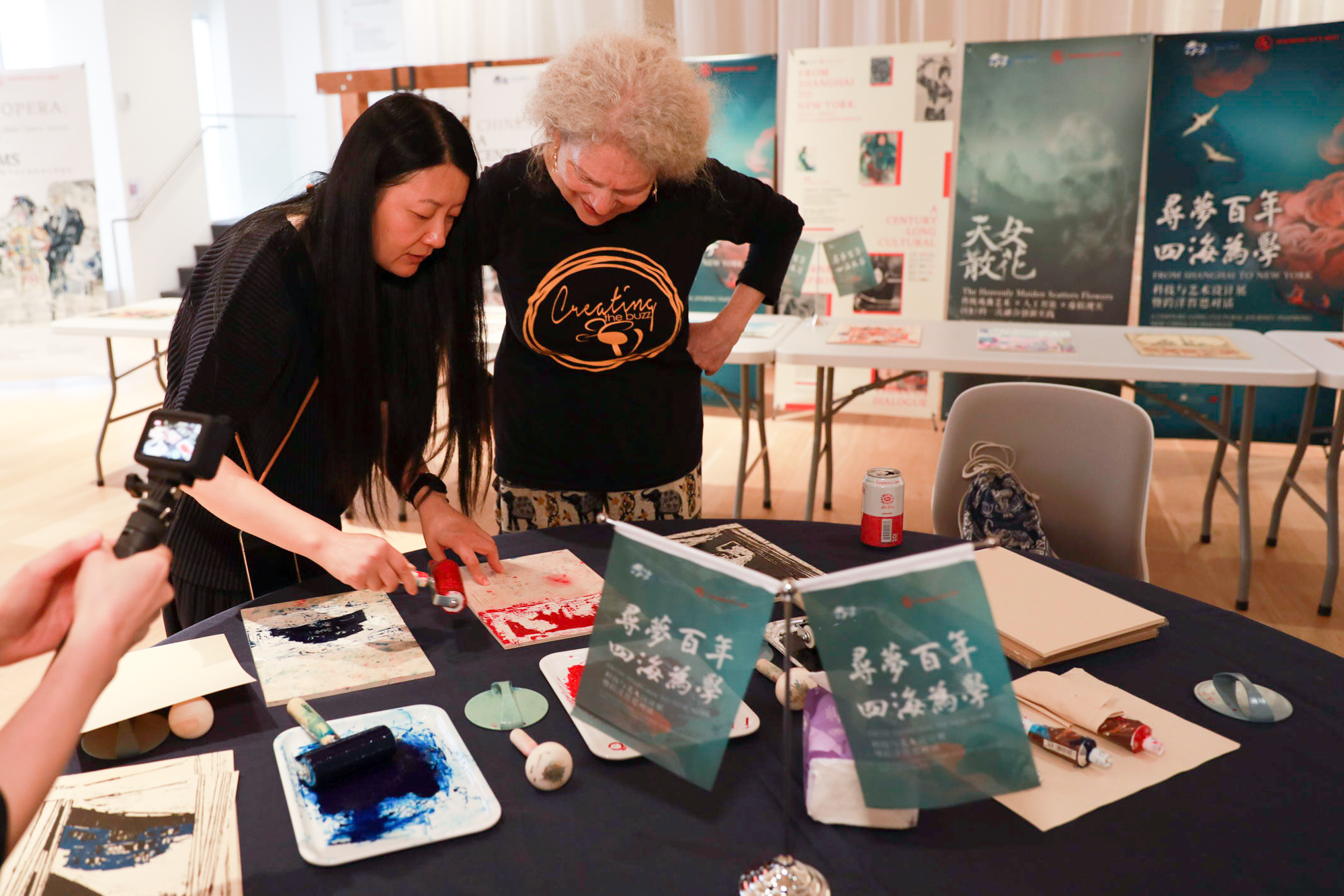
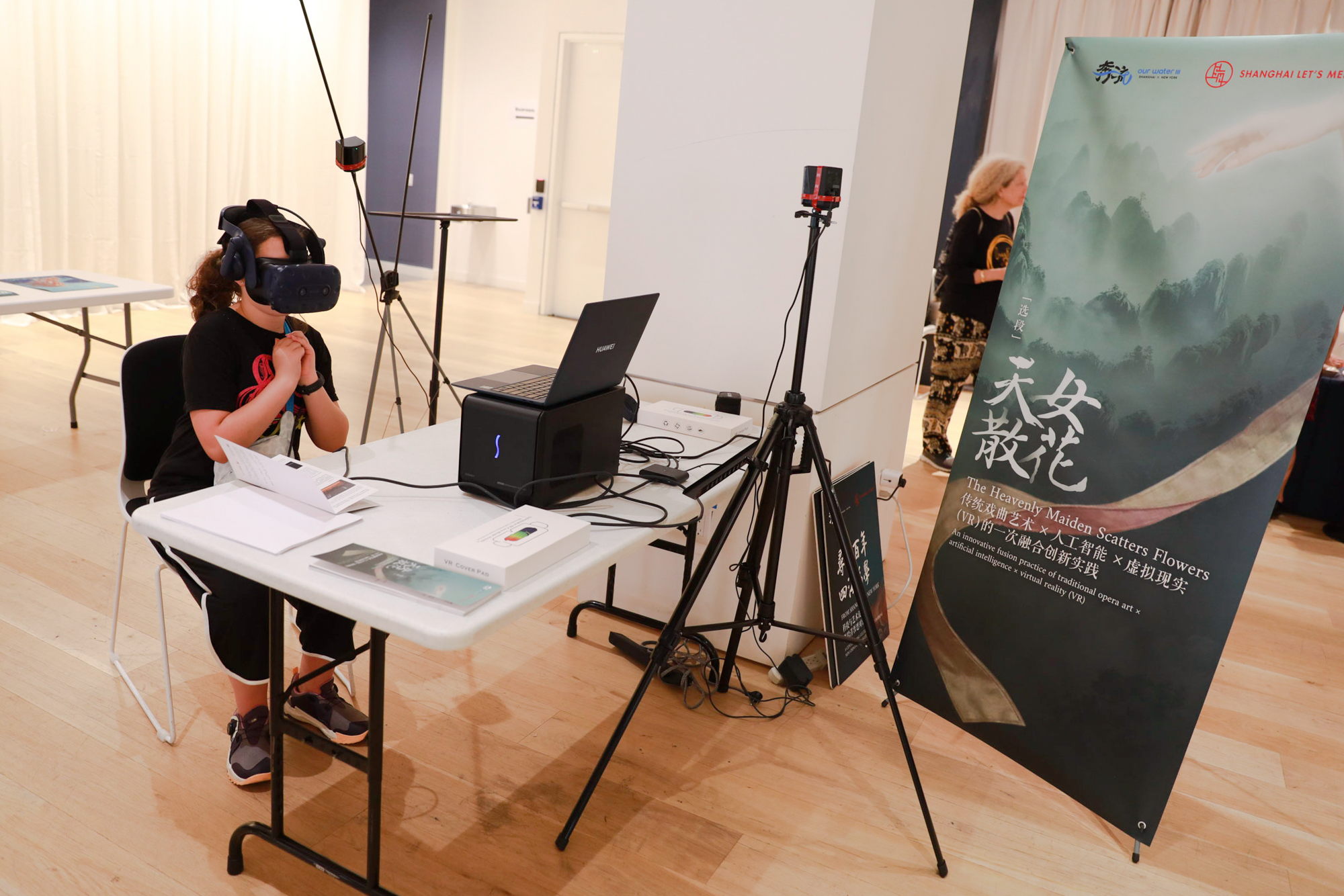
Speaking about Mei Lanfang's influence, Wei said the legendary artist offered an important lesson in cultural communication.
"Peking Opera was far from American audiences' cultural background at the time, yet Mei Lanfang achieved tremendous success in the US because he understood one important principle: when bringing art and culture to a new audience, you need to find ways to communicate through a language and context that people can understand."
"The great inspiration we gained from Mei Lanfang's visit is that cultural communication requires translating not only language, but also the way stories are told and the cultural context behind them," he added.
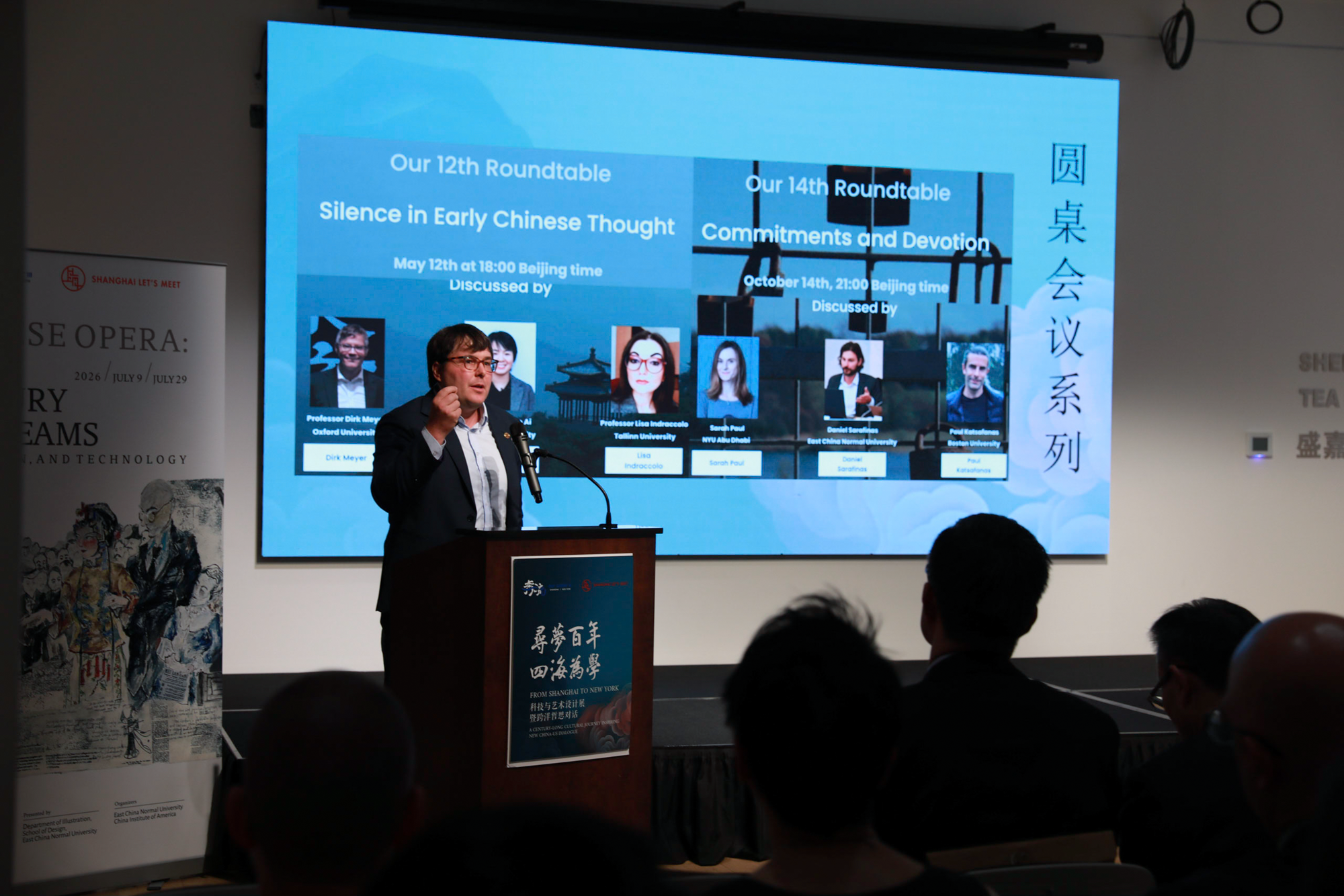
Keynote speech by Paul J. D'Ambrosio, professor, Chinese philosophy, East China Normal University
The event also featured the opening of Collaborative Learning, an intercultural exchange in-person roundtable discussion in New York. The forum was initiated by Paul J. D'Ambrosio, professor of Chinese philosophy at East China Normal University.
"As scholars, we should remember that cultural exchange happens through many different forms," D'Ambrosio said. "It can happen through films, music, entertainment and many other creative expressions."
"While academic research and focused discussions remain important, we also need to stay open to broader forms of communication," he added.
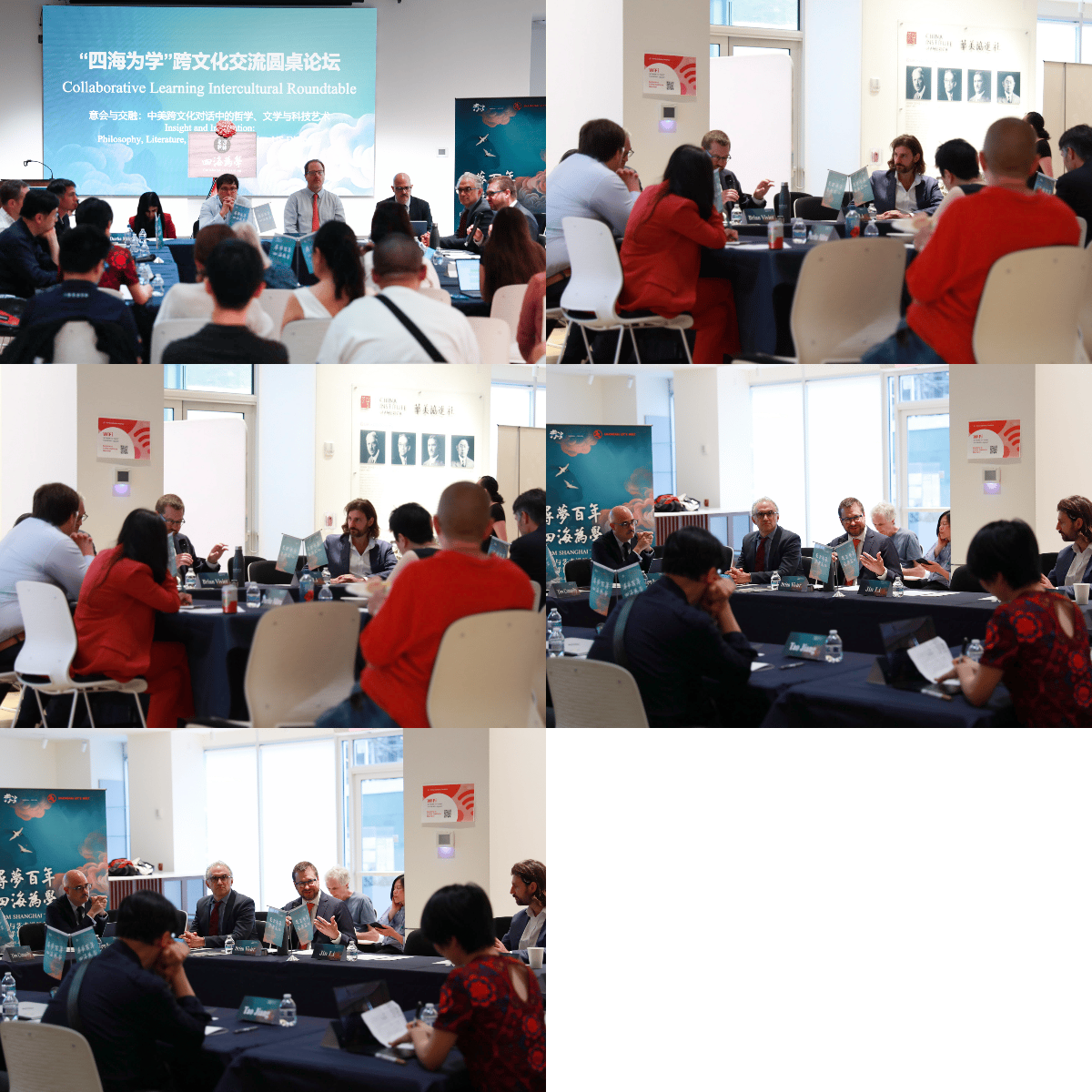
A roundtable forum themed "Insight and Integration: Philosophy, Literature, and Sci-Art in China-US Dialogue" was held afterward. Participating scholars engaged in in-depth exchanges covering comparative philosophy, literary arts, artificial intelligence, digital humanities and other fields.
The participants agreed that amid the rapid advancement of artificial intelligence, humanistic spirit has grown into a fundamental pillar of cross-cultural communication. While technological empowerment facilitates exchanges between diverse civilizations, mutual respect, openness, inclusiveness and joint learning carry even greater significance. The experts noted that valuable international communication is never one-way dissemination; instead, it lies in equal dialogue that fosters mutual comprehension and joint creation of a shared future.
Author: China Daily, ECNU News Office